

Buxus certainly has its place as a low garden hedge, but why not push the boundaries a little and get creative with colour?
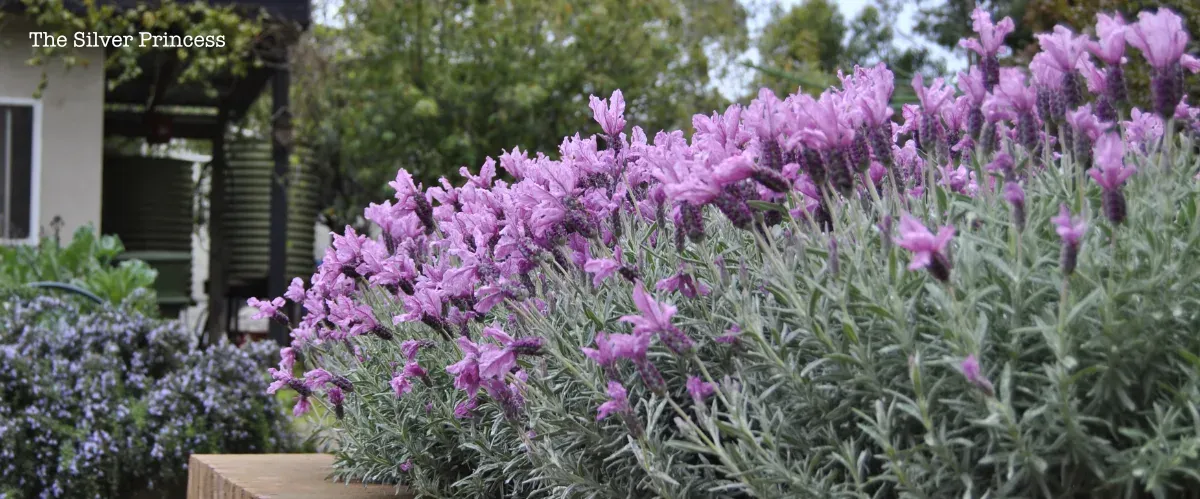
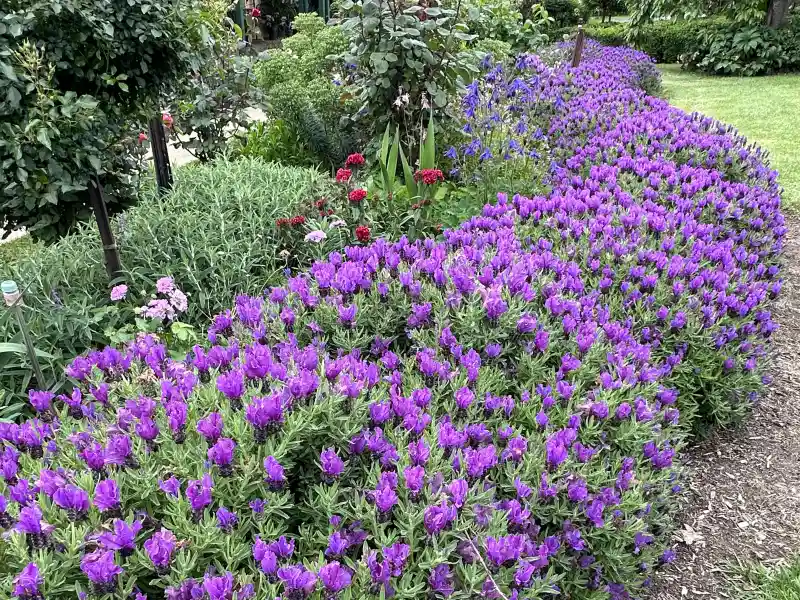
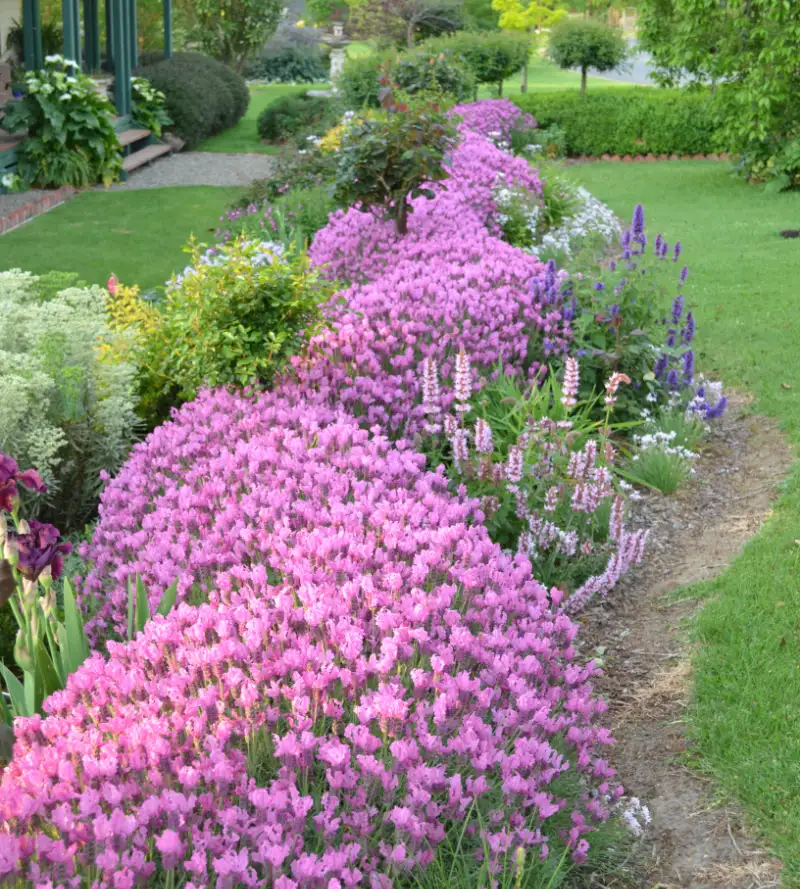
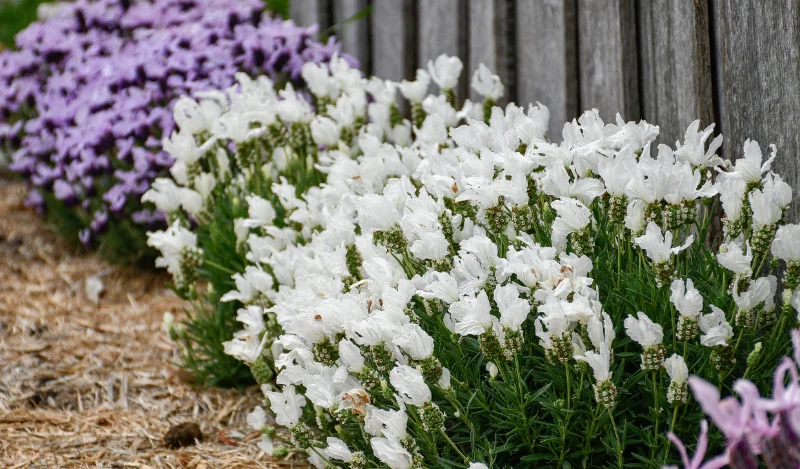
In a stunning range of vibrant pinks, deep mauves, and pure whites, Spanish lavender dazzles from spring through summer, delivering a floral performance that will leave your visitors in awe.
The latest in lavender breeding, the Royal Lavenders, offer a neat, compact form that can be easily trimmed into a colourful hedge, perfect for lining pathways, walls and fences. As hardy Mediterranean plants, they thrive in heat and dry conditions, requiring minimal watering and maintenance once established - a major bonus for time-strapped gardeners.
During peak bloom, the sheer volume of flowers creates the illusion of a single, vibrant mass of colour, attracting bees, butterflies, and other pollinators. Royal Lavenders not only provide food but also serve as a sanctuary for garden wildlife, turning your hedge into a lively ecosystem.
One of the most compelling reasons to mass-plant lavender is its ability to engage all your senses. The sight of a thriving hedge is enough to bring joy to your day, but the sensory experience doesn’t end there. The intoxicating fragrance and the irresistible urge to run your hand over the soft, fluffy lavender bracts are part of what makes it truly special.
Varieties like The Princess Lavender, The Queen, and the newest Royal Lavender addition, The Prince, boast extra-large, show-stopping flower bracts, elevating your garden to new heights of beauty. If you prefer white, the Snow Princess offers an abundance of pure white blooms, while mixing these varieties creates a harmonious, multi-coloured hedge perfect for softening a fence or garden wall, especially in tighter spaces.
Even after the flowers have faded,blue-grey foliage remains as a soothing, visually calming presence that brings understated elegance to any garden.


For more information and inspiration visit www.livingfashion.co.nz