

Get up close and personal with the tiny creatures that live in your garden. Sit quietly among the flowers and see how many insects you can spot. Some are so tiny you might need a magnifying glass to see them. Each clever critter has its own special job in nature. Many of them are gardeners’ friends and we call them ‘beneficial insects'.
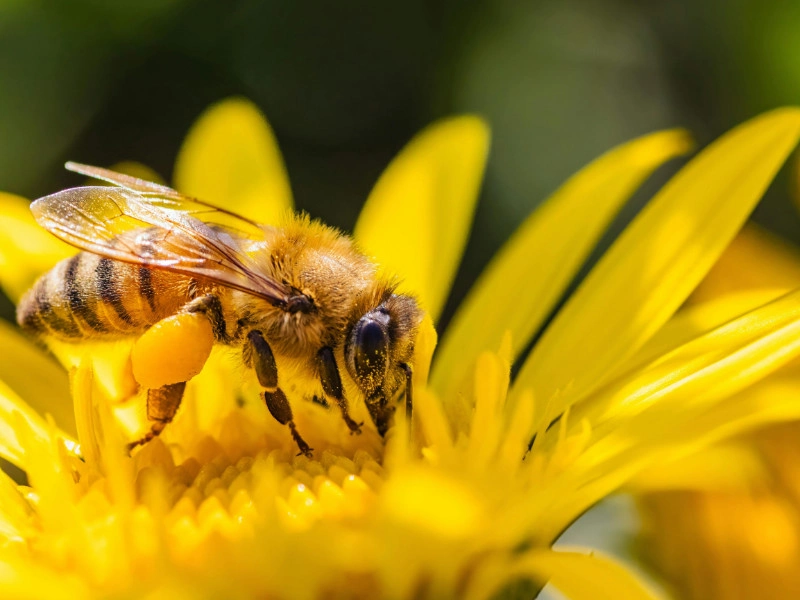
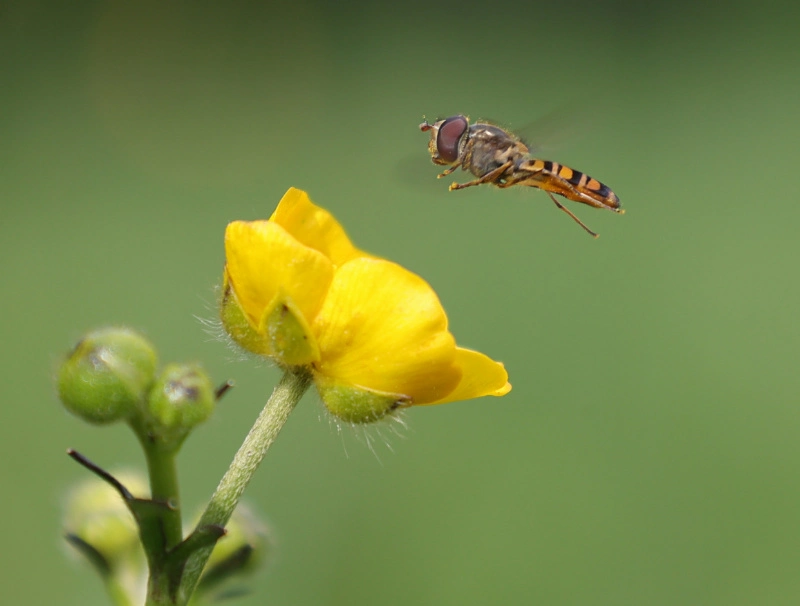
When insects move from flower to flower gathering food they carry pollen from one flower to another. This is called pollination and without pollination plants can’t grow the seeds and fruit that we need for food. Bees are important pollinators but there are many other pollinator insects.
Many different insects, spiders and millipedes feast on the bugs that eat our garden plants and ruin our crops. These precious garden friends help keep the balance of nature, so the pest bugs don’t take over.
Ants, beetles and worms are some of nature's most powerful recyclers. They convert dead things, kitchen scraps and garden rubbish into beautiful soil for plants to grow in. Imagine a world without them!
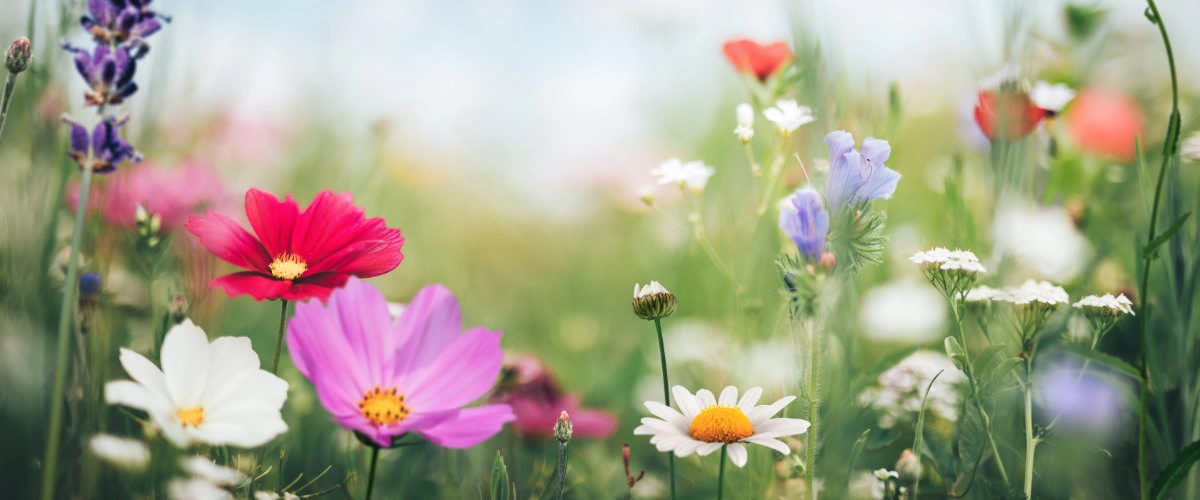
The best way to attract pollinators and other beneficial insects to your garden is to plant flowers. Grow lots of different flowers to build biodiversity in your back yard. Biodiversity means the variety of different living things. The bigger the world’s biodiversity, the better it is. Growing flowers is a win, win situation! Start with a packet of wild flower seeds.
No soil? No worries! Grow wildflowers in pots or a large container. Just make sure there are holes in the bottom for water to drain through. Fill it with potting mix and sow your seed.
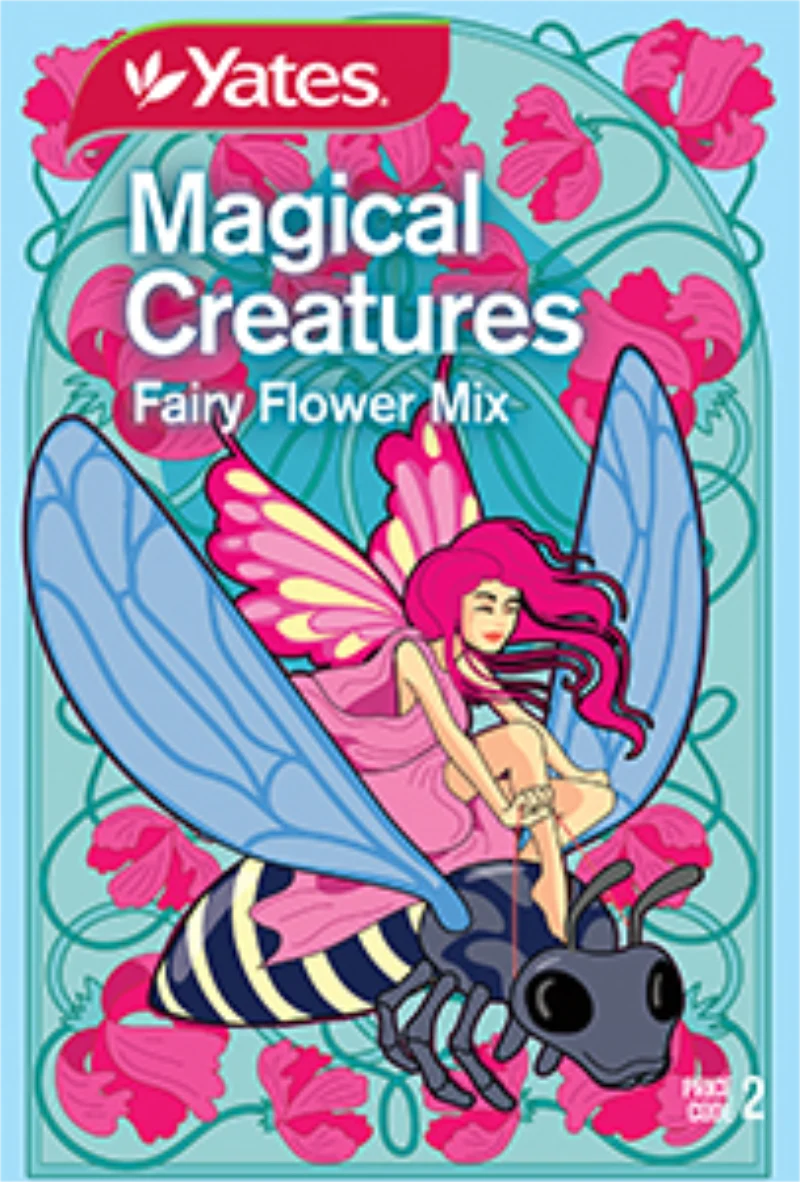
Yates Magical Creatures is a special mix of colourful flowers that attract happy bees and butterflies to sip the nectar. The flowers are a vivid mix of bright fairy pink,violet and lilac. They are lovely for picking too. Sprinkle these seeds like magical fairy dust, and grow a colourful home where fascinating creatures will live!
Did you know? Bees love bright colours. Their favourite colours are yellow, blue and purple.