
Highly prized for their nutrient-rich fruit, fragrant flowers, evergreen foliage and versatile form, citrus trees are surprisingly resilient plants.
Although citrus are traditionally warm-climate trees, many grow in temperate regions. In colder climates, growing citrus in generously sized pots or tubs is an effective solution - and one that has been used successfully for centuries inthe northern hemisphere.
The grand architectural ‘orangeries’ of Europe emerged in the 17th century,as a practical way to shelter trees through harsh winters. Back then, citrus and other exotic fruits were rare and expensive north of the Mediterranean. So the well-to-do of France, Italy, and England built grand stone structures to protect their prized trees.
The original orangeries were carefully oriented to face south, with tall windows to let the winter sun flood in and thick masonry walls to retain heat. Trees would be grown in movable tubs so they could be wheeled outdoors in warmer months. These days the word ‘orangery’ has come to mean something akin to a conservatory (whether or not it includes citrus trees) - an indoor-outdoor living and entertaining room filled with plants and natural light.
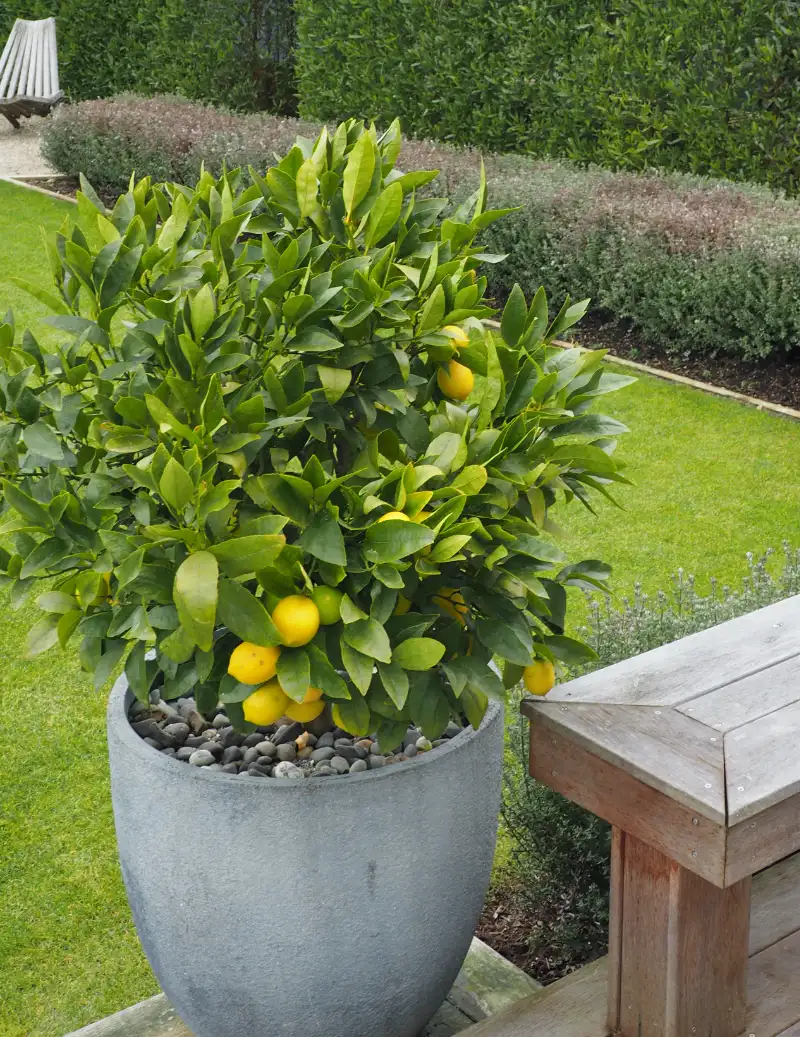
Here in New Zealand, from coastal Northland to sheltered South Island gardens, the lemon tree is a backyard classic that will likely prosper further south as our climate continues to warm. As urban gardens get smaller, growing fruit in containers is a very practical option. Container culture also extends the possibilities for gardeners who rent, or where the soil is poorly drained.
No matter whether they are planted in pots or in the ground, citrus trees are as attractive as they are productive. They respond well to trimming and can also be trained flat against a warm, sunny wall. Growing a range of different varieties can provide fruit almost every month of the year.
These are among the most cold tolerant citrus and, with their intensely fragrant summer flowers, they make lovely courtyard trees.
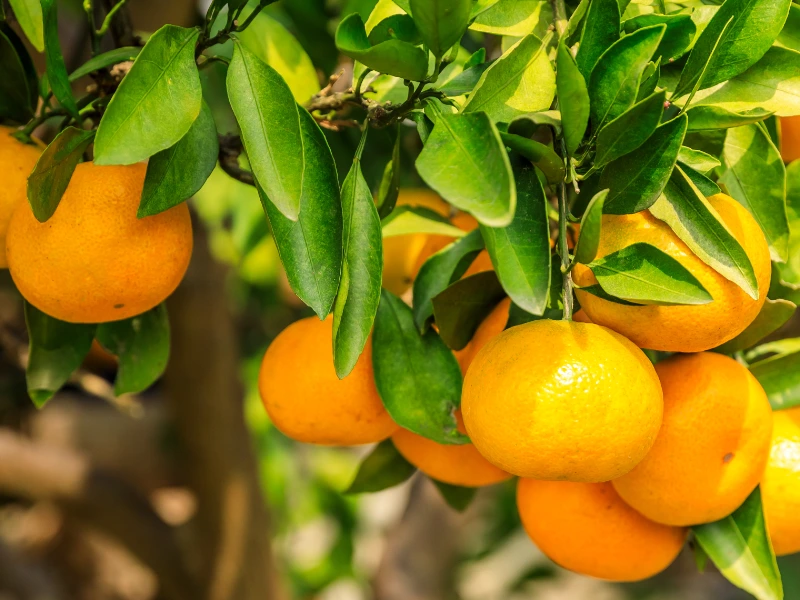
The Satsuma varieties, including Miho, Miyagawa, and Silverhill, are ready for picking early (in autumn and winter) and have a loose easy peel skin. Great for family gardens, they are small trees with an appealing spreading shape, growing up to 2m tall on a dwarfing rootstock or 4m on regular root stock. Satsuma cultivars offer a range of different ripening times between March and July, so if you have the space it’s worth planting more than one.
The Clementine mandarins are much smaller trees than the Satsumas. Their smaller leaves and tight rounded form makes them perfect for pots and formal gardens. They have spherical fruit and bright green leaves. Winter ripening Mandarin Corsica No.2 is a new improved Clementine type. It is very compact and shapely with dark green bushy growth, an attractive choice for a large pot with abundant bright orange fruits that peel easily. It is sweet and super juicy with few seeds.
Later ripening, from November onwards, Mandarin Encore extends the citrus season well into summer and is also loved for its exceptional flavour. This easy to peel, thin-skinned mandarin is seedless unless cross-pollinated with a nearby variety.
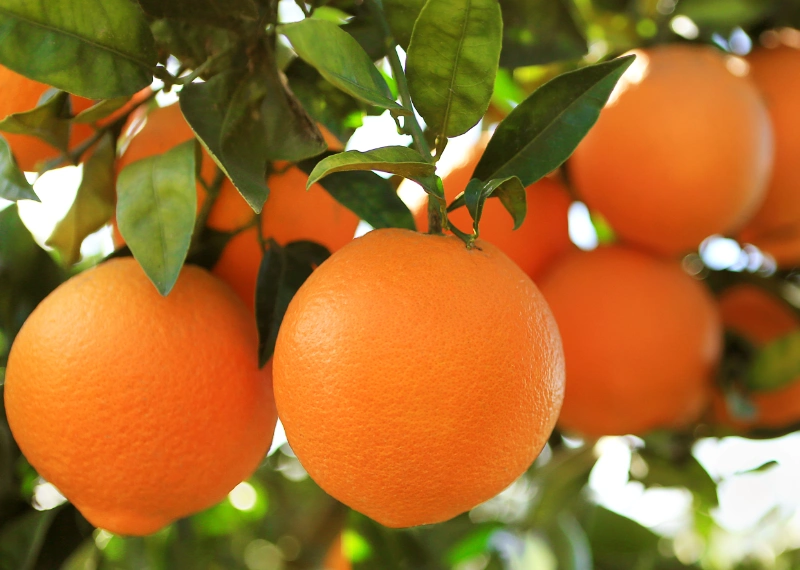
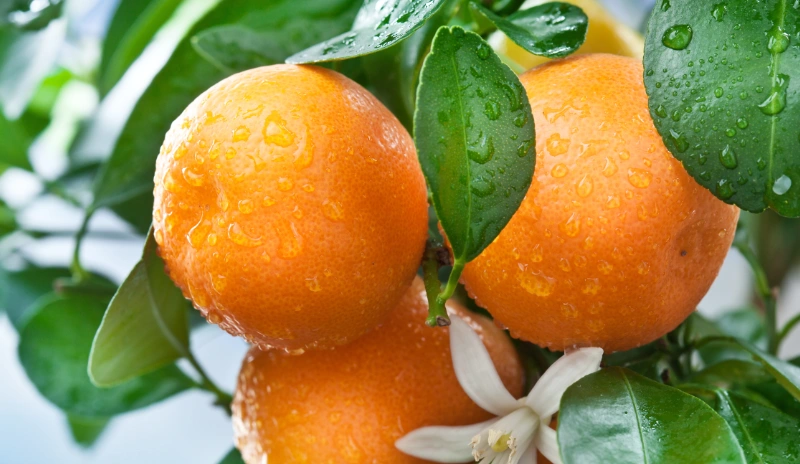
Oranges are more cold tolerant than lemons, but they need plenty of sunshine and warmth for ripening and sweetness. Valencia oranges such as Harwood Late are picked mainly in autumn. Navel oranges, such as Carter’s Navel, Washington Navel and Newhall ripen in late winter or early spring, lasting well on the tree. They have a ‘mini orange’ embedded in the apex of the fruit, which from the outside looks like a navel.
Orange Best’s Seedless is another excellent navel orange originating from an old tree in Blenheim. It produces masses of sweet, almost seedless fruit to pick in spring. Blood oranges have red pigments in their flesh, with few seeds. They ripen in late winter.
These citrus will flower almost continuously which means they have the potential to bear multiple crops throughout the year. But, because they never stop growing, lemons and limes are more sensitive to a cold snap than orange trees.
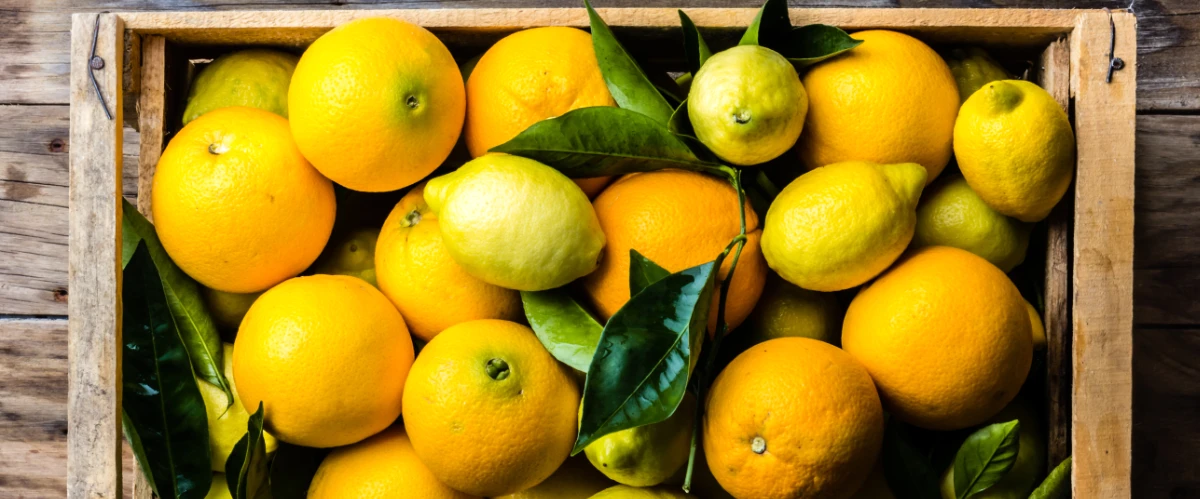
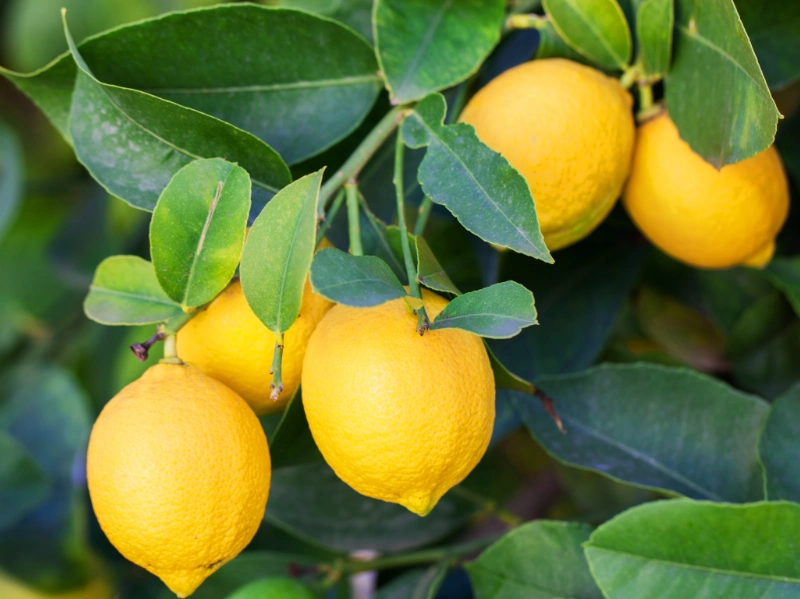
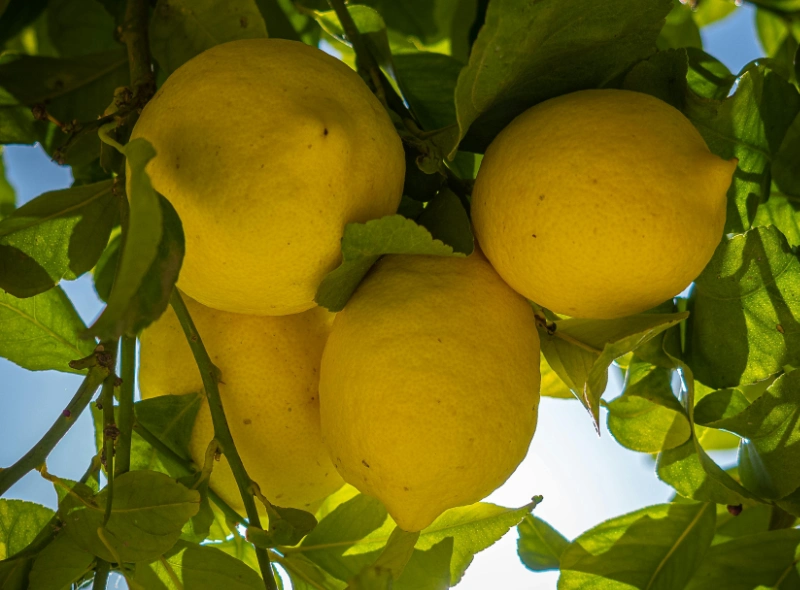
The Meyer lemon is a prolific fruiter with attractive bright yellow, smooth skinned fruit that adorns the bushy compact tree all year round in warmer regions, although its main ripening season is winter and early spring. Meyer is the cold-hardiest lemon and the most popular home garden tree, often grown on its own roots. It has a mild flavour.
Popular Lemon Lemonade looks like a lemon and tastes like lemonade. The fruit ripens mainly in summer and has a sweet refreshing tang, great for summer drinks. Yen Ben is the most popular of the more acidic lemons. It will tolerate mild winter frosts once established, and is a prolific bearer with the main crop maturing in July. Lisbon Seedless is a chef’s favourite lemon, offering excellent flavour and acidity. It yields generous crops of thin skinned, almost seedless lemons which ripen mainly in winter, but mature trees will produce some fruit most of the year.
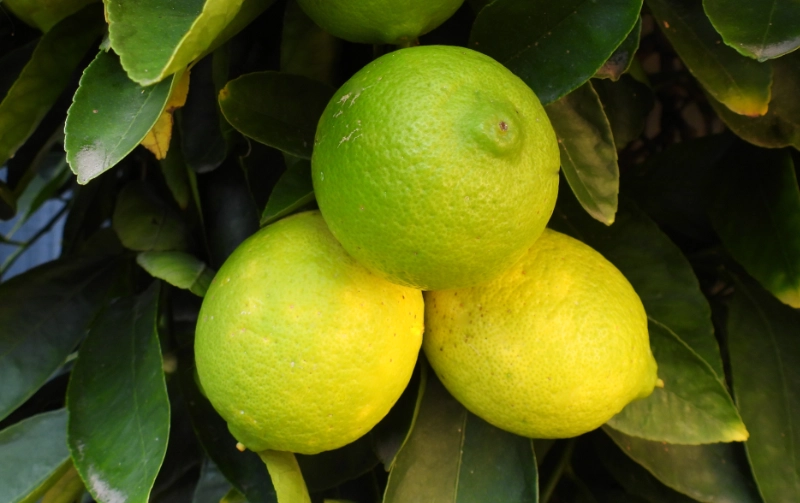
Tahitian lime,the best-known lime in New Zealand, is strong growing but compact and almost thornless, Borne mainly in winter, the seedless thin-skinned fruit, are pale yellow when ripe. Bearss lime is a more vigorous spreading tree. Kusaie lime is also relatively cold hardy and very prolific, mainly in summer. Kaffir lime has guitar shaped leaves, which are highly aromatic and used in Asian cuisine. The Finger lime is a compact Australian native, slow growing and spiny, with novel caviar-like pulp.
Down sizing citrus trees to better suit the smaller garden has been hugely helped by horticultural genius - in more ways than one. The potential size of any citrus variety depends not only on its breeding, but also on the type of rootstock it is grafted onto. A tree grafted onto a regular Citrus trifoliata rootstock will reach a mature height of around 3m tall. The same variety on a dwarfing rootstock will be much smaller, but the fruit produced on either rootstock is exactly the same quality and size. Trees grown on Flying Dragon roots reach around 1.8m tall and wide. This rootstock also offers improved resilience to pests, diseases and colder climates.
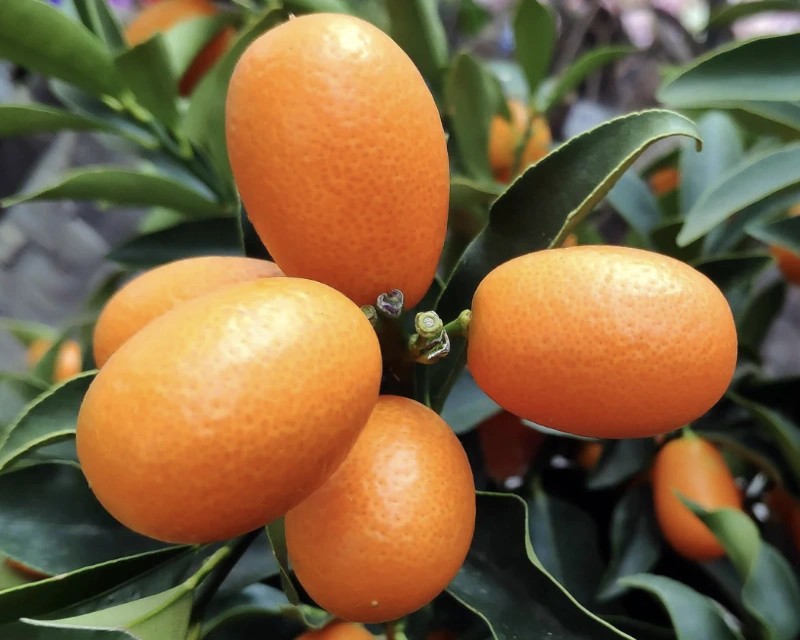
Generally, citrus prefer a warm, frost-free climate. A few hours at below zero temperatures can severely damage both fruit and foliage, and a bigger freeze can be fatal. In winter fruit may turn yellow with the cold before they are ripe. However, citrus trees vary in their cold tolerance and some are grown with success in quite marginal climates. In general, the order of citrus hardiness is; kumquat (most cold tolerant), satsuma mandarins, oranges, tangelos and hybrid mandarins, grapefruit, then lemons and limes (most cold sensitive).
In colder climates, it’s best to delay planting citrus trees until spring, and to protect young trees with frost cloth. Older trees recover more quickly from cold damage than young newly planted ones.
Make the most of micro-climates. Choose a warm sunny location for your citrus tree, perhaps near a masonry wall that will store the sun’s heat. Mulching with pebbles has a similar effect.
Prune only in spring so that new growth has time to mature before winter. Don’t prune to remove frost damage until after the risk of frost.
Healthy, well fed and watered trees are the most frost tolerant, but avoid feeding in autumn as this promotes soft growth susceptible to frost damage.
When citrus trees are grown in pots, they can be brought into shelter to escape frost.
Failure of trees to set fruit may be due to lack of water, lack of fertiliser, lack of sun or lack of bees for pollination. In dry conditions immature fruit may fall from the tree. If the tree is only producing fruit every second year, try removing some of young fruit to channel some energy back into tree growth.
Most likely due to lack of food. Apply citrus fertiliser. Yellow or pale leaves may also be due to poor drainage, nutrient or pH imbalance in the soil, cold weather or sucking insects.
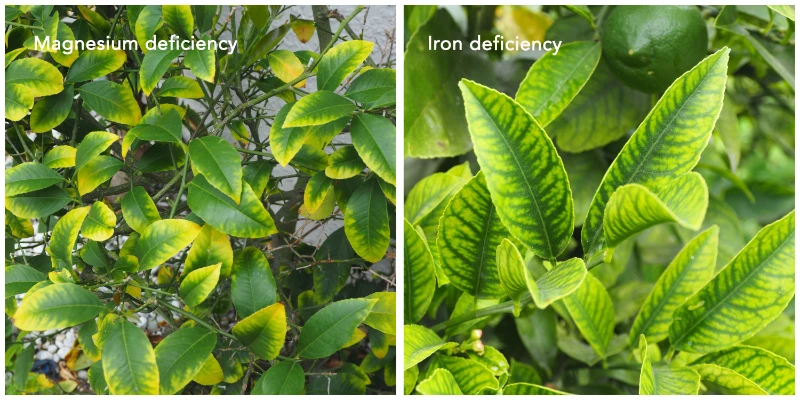
Poor drainage,lack of water, lack of food or too cold.
Frost damage
Sooty mould onthe foliage is the work of sucking insects, such as aphids, white fly and scale insects whose sticky honeydew excretions feed the mould. Controlling the insects will get rid of the sooty mould. Spray with a mixture of soapy water and oil, neem oil, or an easy-to-use product such as Yates Bug Oil. Ants, also feed on the honeydew, and will nurture and protect the aphids.
Sucking insects such as aphids. See above.
Citrus scab (verrucosis) is a fungus that spreads in damp conditions. Mainly a problem in humid climates, it generally only affects the skin of the fruit and can be prevented by spraying with copper in spring and early summer.
Lemon tree borer beetles burrows into the wood leaving tell tale sawdust in their wake. Prune and burn infected wood and avoid unnecessary pruning in spring.