
Giant pumpkins

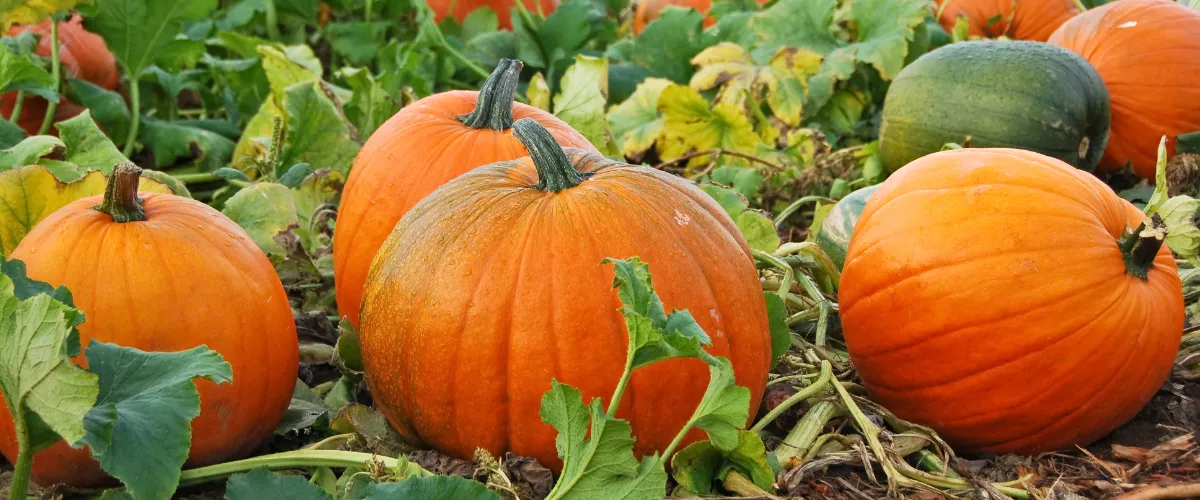
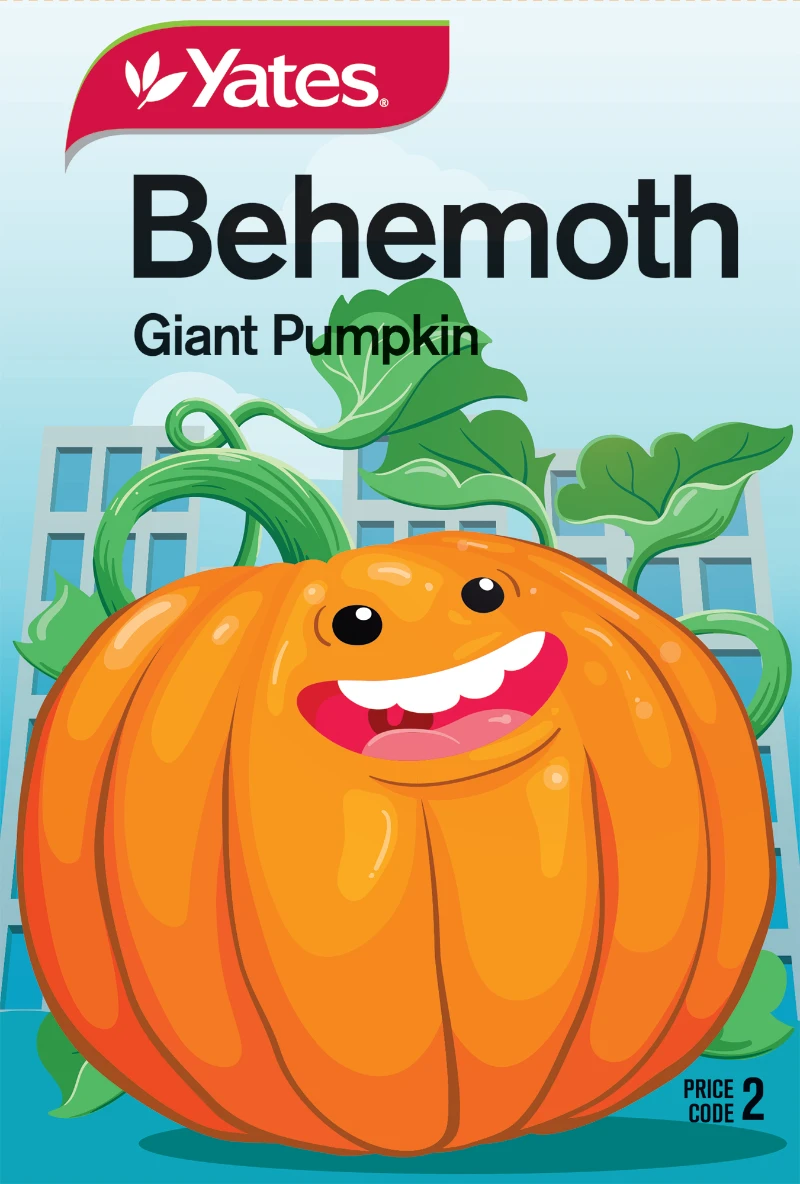
Giant pumpkin varieties like Yates Behemoth are super fun to grow! Find a plant in the garden centre or start your own from seed.

Giant pumpkins

Giant pumpkin varieties like Yates Behemoth are super fun to grow! Find a plant in the garden centre or start your own from seed.
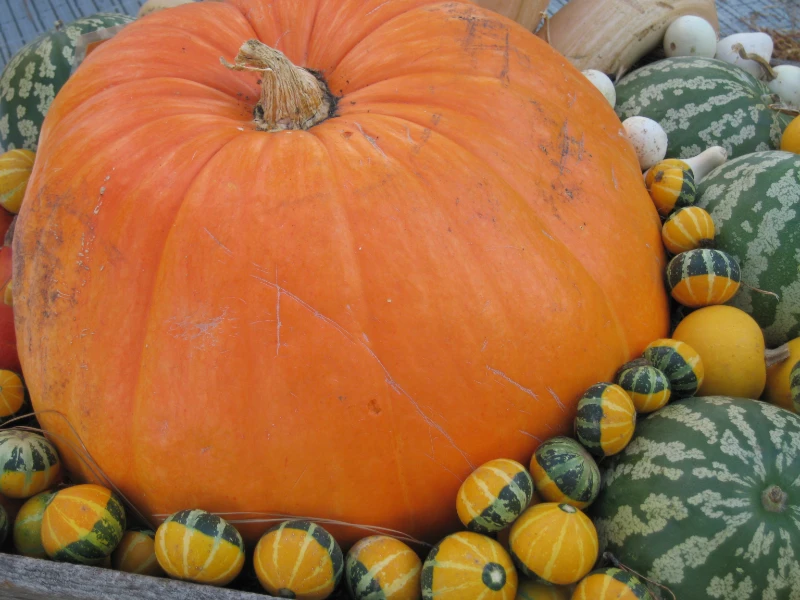
The big and the small of pumpkin varieties
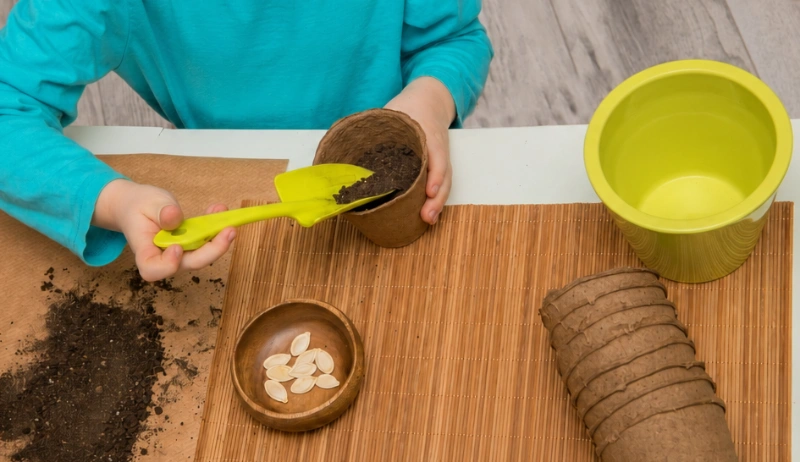
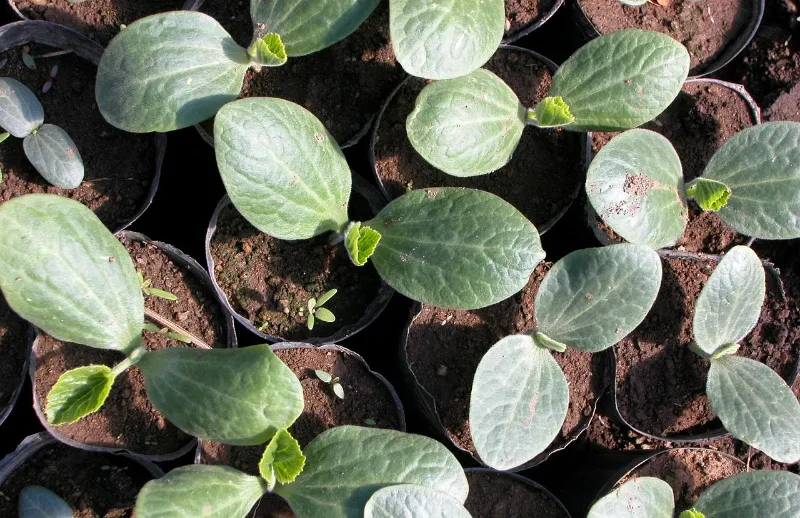
Sowing pumpkin seed into bio-degradable pots
Cucurbit seedlings
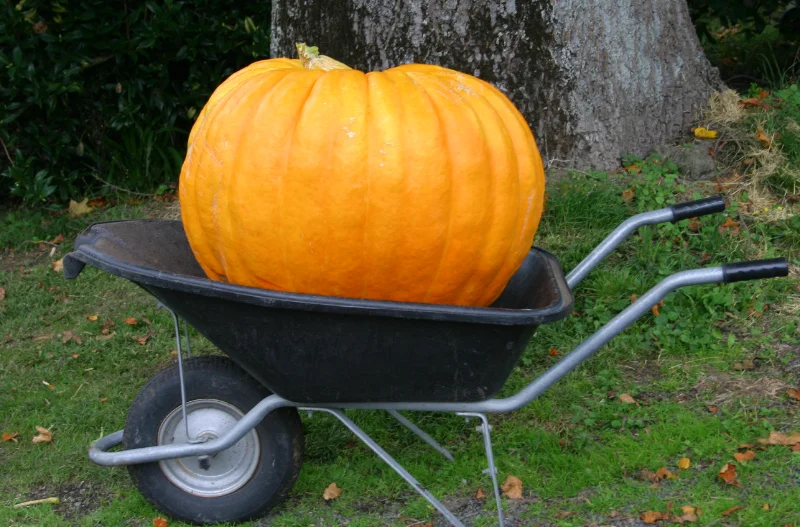
Your giant pumpkin?
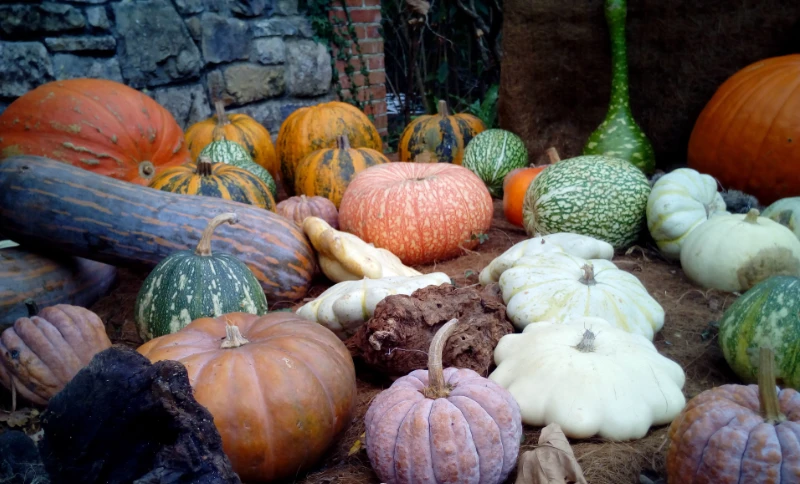
A colourful collection of pumpkins, gourds and scallopinis
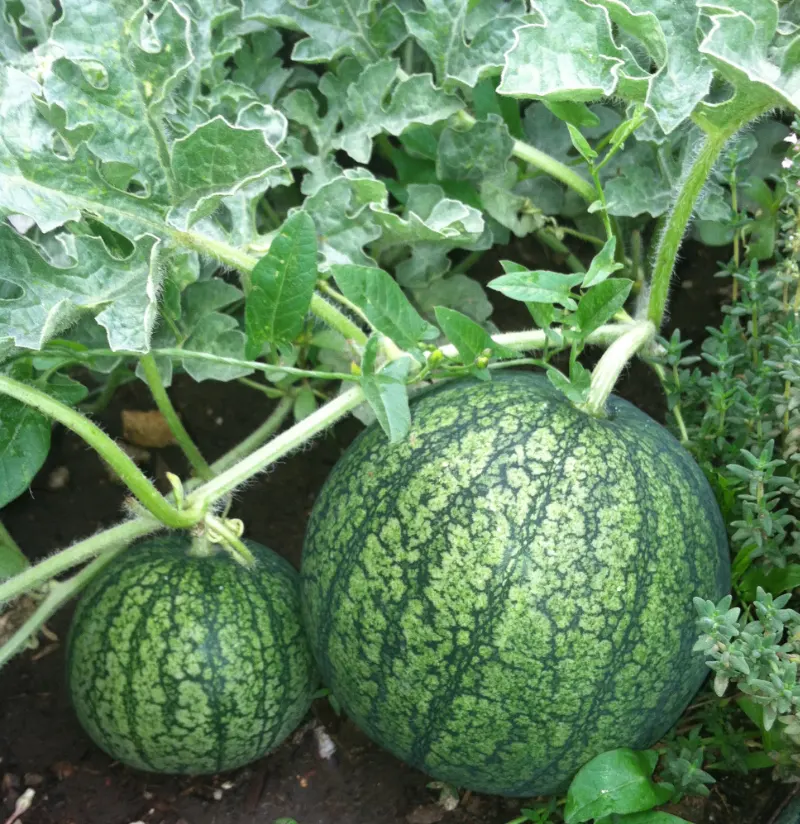
Watermelons are cucurbits too

Grow it from seed!

When the soil warms up for summer, pumpkin, zucchini and cucumber plants are super easy to grow from seed.

  1. Clear a sunny patch of garden soil.
  2. Dig with a trowel to make the soil loose and crumbly and mix in some compost.
  3. Plant two or three seeds a few cm apart. Water gently.
  4. You should see the first green leaves pop up in about a week.
  5. In another week or two, pull out the weakest seedlings and leave the strongest to keep on growing.
TIP: Make a little mound about as high as your hand to sow your seeds in. This makes the soil warmer, especially if your soil is quite wet.

You can also grow your seedlings in little pots filled with seed raising mix. If you grow them in biodegradable pots you can plant them pot and all without disturbing their roots. The pots will rot away into compost  - but don’t let them dry out.

Giant pumpkins grow in the same way as any other pumpkin, but if you want to grow the biggest, here’s the trick - choose one pumpkin and cut off the others. The pumpkin that gets the whole plant to itself gets all the energy that the plant makes in its leaves. So that one pumpkin will just keep on getting bigger until it's time to enter it in a giant pumpkin contest in autumn.

  1. Choose a warm, sunny spot with plenty of space for your pumpkin vine to ramble. It will spread up to 2m wide.
  2. Mix a bucketful of compost into the soil with a spoonful of slow-release fertiliser.
  3. Plant your pumpkin seedling, disturbing its roots as little as possible (easy if you’ve grown it in a biodegradable pot).
  4. Water to keep the soil moist. Once the fruit appears, you can water less often but make sure you soak the soil thoroughly so that the water goes deep into the ground and encourages your pumpkin roots to grow deeper.

TIPS:

  • Feed your giant pumpkin as it grows. Liquid fish and seaweed fertilisers are ideal.
  • Lay some newspaper around your plant and then add a layer of straw. This will protect the pumpkin skin spoiling, blocks the weeds and helps keep moisture in the soil.
  • Pumpkin plants need plenty of sun to grow but for super bright colour, you could give your prize pumpkin some shade from the hottest afternoon sun.
Seek out a giant pumpkin competition near you or gather family and friends together to plan your own. Save a date in autumn for your a weigh-in party.

‍Quirky cousins

Meet the Cucurbit family. Summer is time to grow pumpkins and all their cousins: squash, water melons, cucumbers, gherkins, zucchini, fabulous flying saucer shaped scallopini and fancy gourds. Gourds are colourful cool-looking cucurbits to grow just for show.

Cucurbits love:

  • Sun
  • Water
  • Fertiliser
  • Warm summer weather
  • Bees for pollination
Vegetable or a fruit? We might call it a vegetable, but if it comes from a flower it’s actually a fruit. So scientifically speaking, tomatoes, zucchini, cucumbers and capsicums are all fruits!

Pumpkins (and other cucurbits) have two kinds of flowers. On female flowers you can see a small fruit forming at their base below the petals. A male flower does not. If you think there are not enough bees around you can help out by picking a male flower and lightly touching it onto the centre of a female flower.


2021 November