
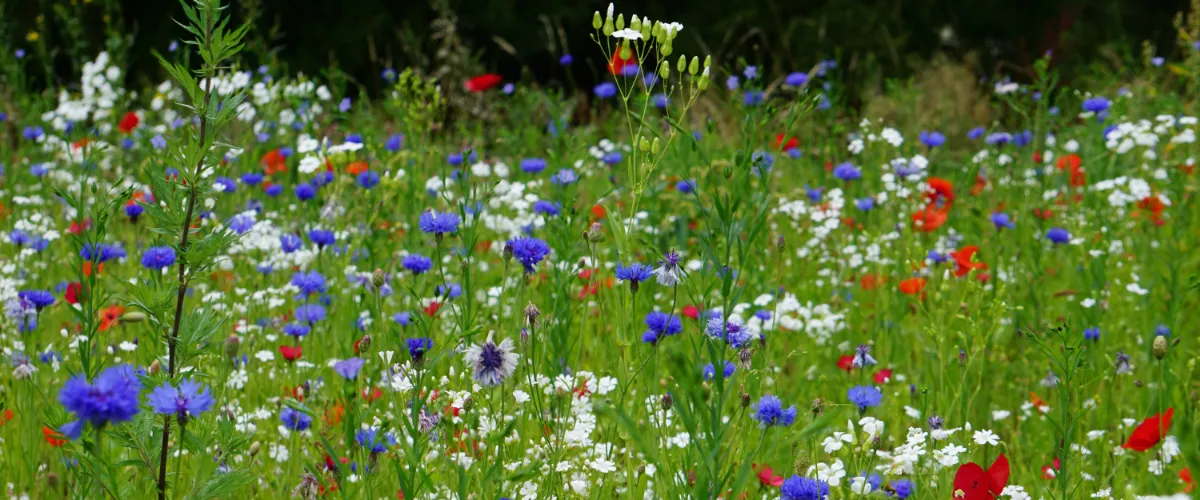

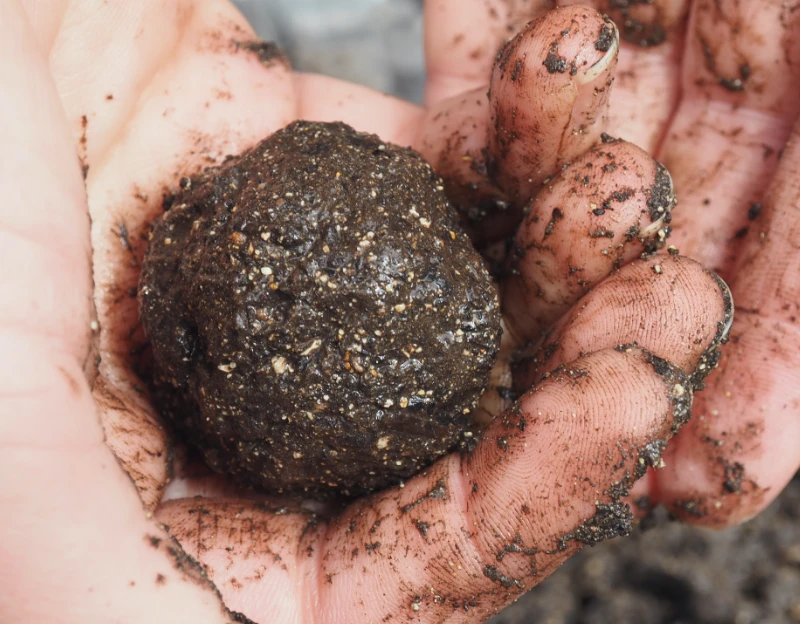
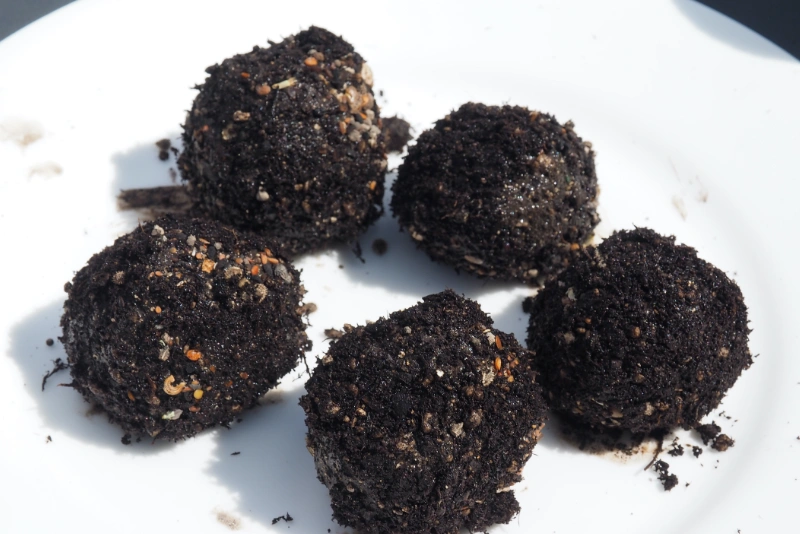
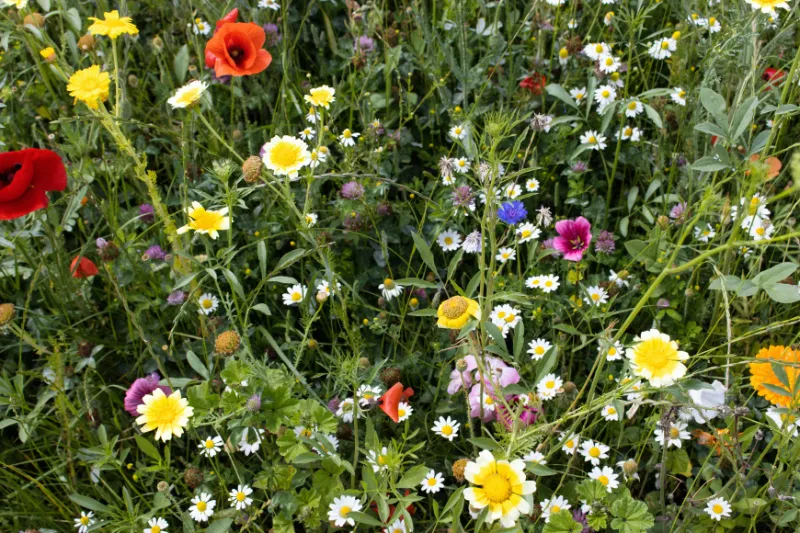

These little balls of seeds and earth ready to burst into bloom in spring. It’s a fun and easy way to introduce a colourful splash of wildflowers to the spring garden. Seed balls make beautiful gifts.
If you place your seed balls in the garden in autumn, they will slowly break down over winter into a little pile of soil and seeds - all set to explode into a colourful spring surprise!
Before wildflowers die down at the end of summer they leave nature a gift: the seeds that grew inside the flowers travel by wind or water or fly with the birds before they come to rest on the ground and wait until nature tells them it’s time to grow.
How do seeds know it’s spring? Seeds only sprout when they have the right amount of hot or cold, the right amount of water and the right amount of light. Not every seed will get lucky and grow, that's why flowers make so many seeds.
You will need:
Step one: Collect some clay and crush it into a powder if dry (Do this outside as it can be dusty work!). Alternatively, soften it by soaking dry clay pieces in water.
Step two: Add a handful of compost for every handful of dry clay and mix together. Add a little water and more clay or more compost until you can make a golfball-sized ball that holds together without being too sticky. Squeeze out extra water as you roll the balls.
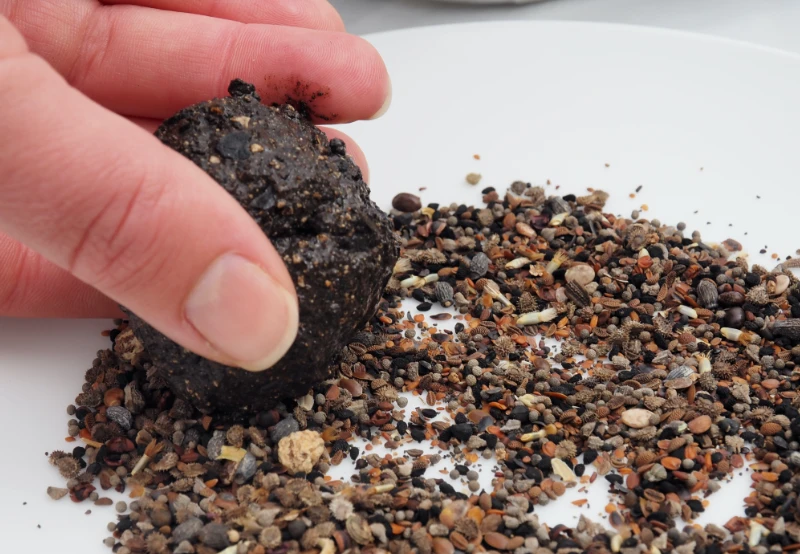
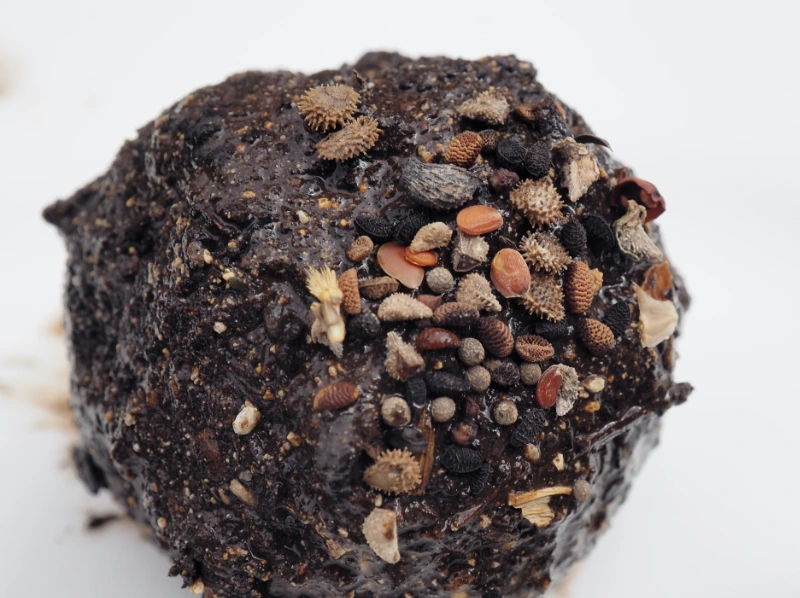
Step three: Mix some wildflower seeds with fine compost or seed raising mix and roll the balls in the mix to coat them with seed. For bigger seeds, poke 3 or four seeds into each ball and then reshape the ball in your hands. Tiny seeds need light to germinate.
Step four: Leave your seed balls to dry.
Step five: Place, toss or throw your seed balls where you would like them to grow. But never throw a seed ball in a conservation area or on someones farm!
SPRING SURPRISE: Try out different varieties in your seed balls and let nature decide what grows. You can grow herbs or vegetables this way too.
Many wildflower seeds need cold stratification: they won’t grow until they have had a certain amount of time in the cold. So, if they spend winter lying on the ground outside they are more likely to sprout than if they have a cosy winter inside a seed packet indoors.