
To make the most of limited space, prioritise family favourites and choose trees that suit your climate. If there is no suitable garden soil, dwarf fruit trees will thrive in large pots or tubs provided they receive adequate watering and feeding.
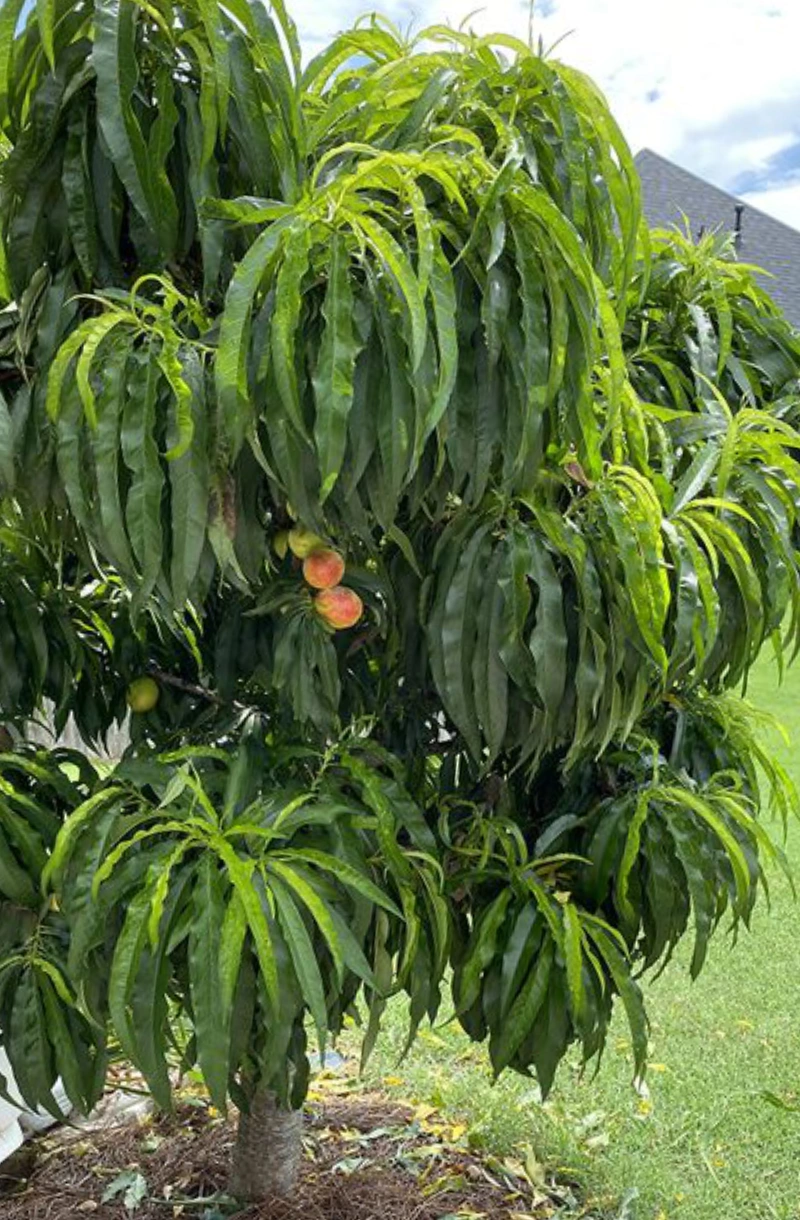
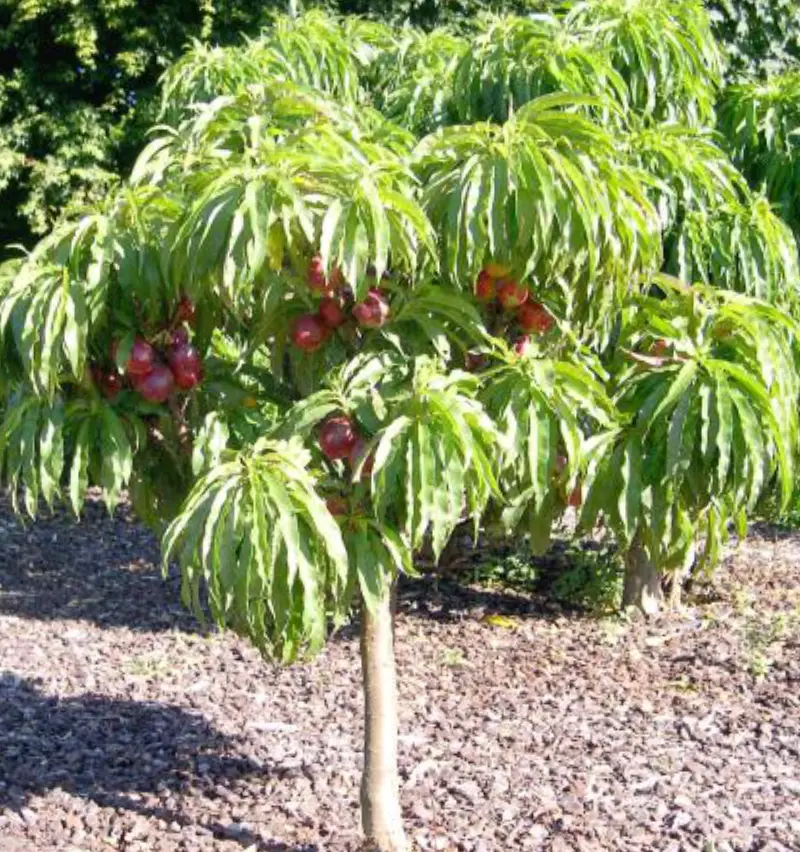
Imagine harvesting peaches and nectarines from your own small, naturally dwarf trees. With bumper crops that belie their size, these little trees are not only space saving, but easy to manage. Smaller trees make harvesting easy. No ladders required!
Today’s dwarf peach and nectarine trees have a rounded compact form with elegant elongated foliage. They come grafted onto high health rootstocks. Showy pink blossom is an added bonus in spring.
Plant your dwarf peach and nectarine trees in a sunny, sheltered position with compost enriched, well drained soil or top quality outdoor potting mix. Use frost cloth as protection when spring buds are emerging. Be sure to water deeply while the fruit is forming and during dry periods.
TIP: Plant two or three different dwarf nectarine or peach varieties to encourage cross pollination and bumper crops.
Unfortunately all stone fruit trees are susceptible to fungus diseases like leaf curl and brown rot, especially in warm humid conditions, as is often the case within the close compact form of a dwarf tree.
Disease spores hide in bark crevices and in the soil, waiting to spread throughout the tree in spring, when the weather turns wet and warm. A protective spray routine is the best way to prevent a beautiful spring blossom tree becoming a disappointing mess of diseased fruit in summer.
Unfortunately, by the time we can see the likes of brown rot, it's too late to stop it.
The most important times to spray are in early winter at leaf fall, and in early spring just before bud burst. Another spray, as soon as the petals have fallen gives a last blast of protection before trees get into rapid growth. Lime sulphur and copper sprays will significantly interrupt the cycle of disease, killing disease spores before they infect the new leaves. Yates Nature's Way Fungus Spray contains a blend of copper and sulphur.
Additional proactive measures include clearing away fallen leaves and making sure trees are kept well fed. Water early in the morning, rather than late in the evening and keep the water off the foliage as much as possible. Some thinning of leaves and fruit during the growing season helps to improve air circulation.
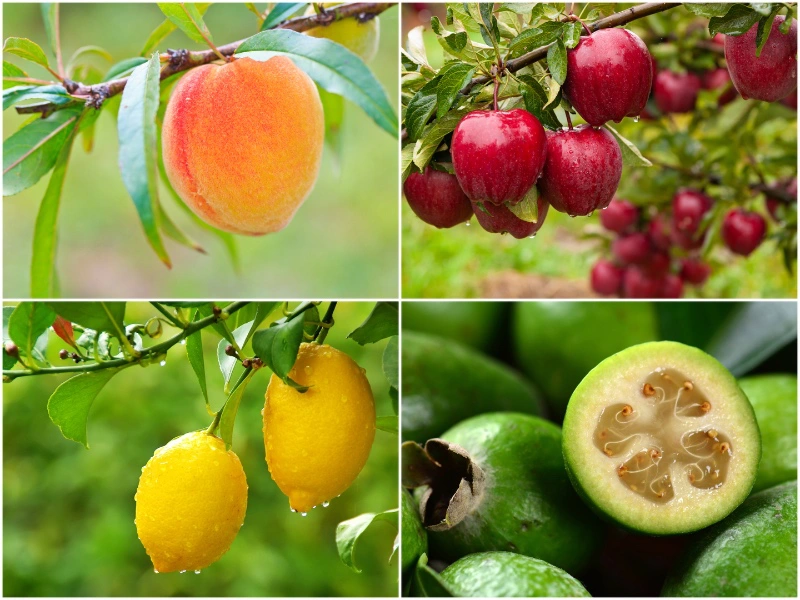
Autumn is harvest time for apples, pears, figs, and feijoas to name just a few. To grow more in less space, look for dwarf varieties of apple and pear or try espaliering the likes of figs, apples and pears along a sunny north facing wall.
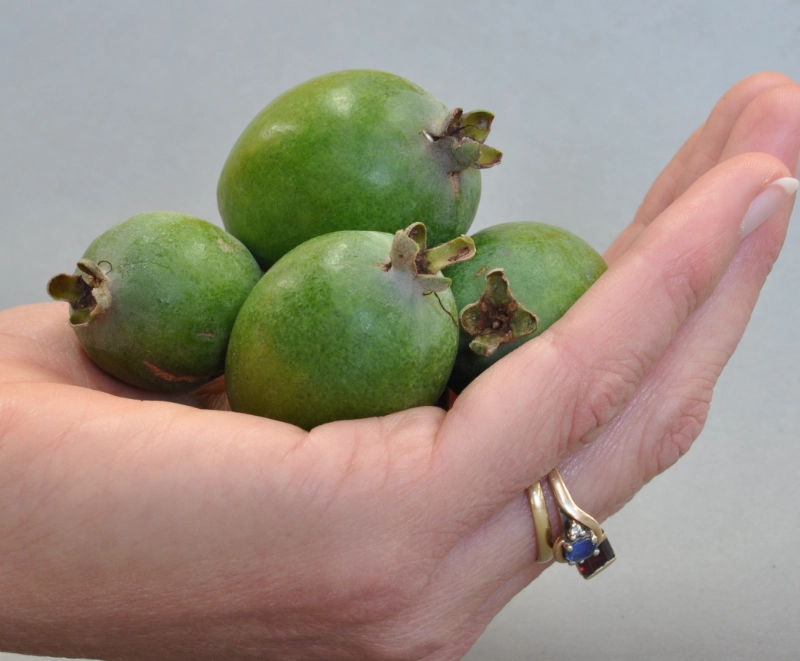
Feijoas are among the easiest fruits to grow in a home garden and are remarkably free of disease problems and ideal for warmer parts of the country. The earlier fruiting varieties are a good choice further south as it is only the fruit, not the tree itself, that is damaged by frost.
Dwarf Feijoa Bambina™ is the one to plant if you want to grow a feijoa tree in a pot. It also makes a lovely flowering hedge up to 1.5m tall with a brilliant summer show of pohutukawa-like flowers. The small silvery-green foliage is perfect for clipping. From April onwards Bambina’s bite-sized fruit is full of flavour and ready to eat. A smooth, thin skin makes it good for eating whole. Bambina is self-fertile.
For large fruit on a medium sized tree, Feijoa Arhart™ is a good cropper that starts early (in March). For even bigger fruit consider Feijoa White Goose™.
Feijoa trees are easily pruned for size control but prune early in the season (after spring frost) if you want flowers and fruit, as these occur on new season’s growth. Pruning will stimulate new fruiting wood to grow. In most cases, planting two varieties to ensure cross pollination will increase yield and fruit size.
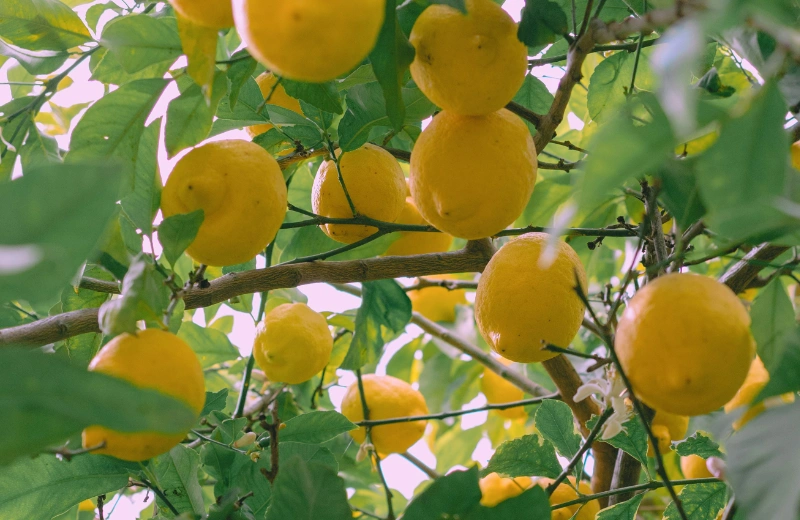
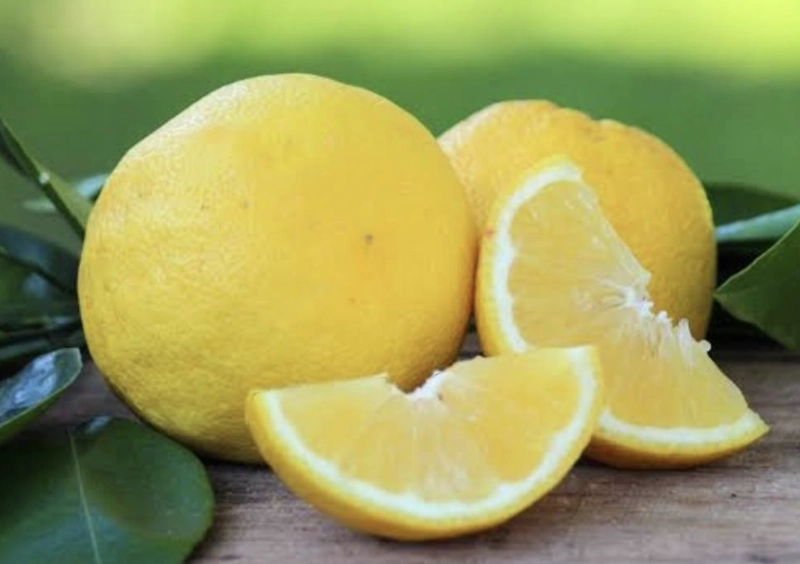
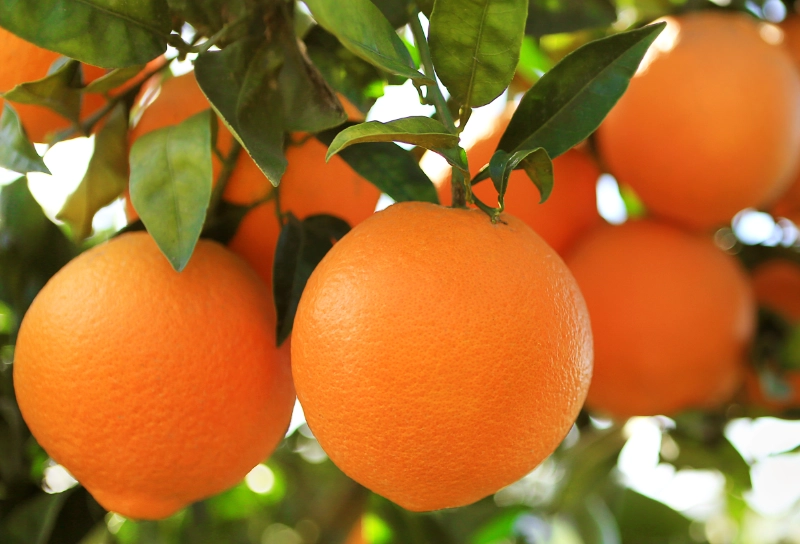
Dwarf citrus trees are perfect for smaller gardens. They also make very attractive container plants with dark green foliage all year round and fragrant white flowers.
The potential size of any citrus variety depends on its genetics, but also on the type of rootstock it is grafted onto. A tree grafted onto a regular Citrus trifoliata rootstock will reach a mature height of around 3m tall, which is great if you have lots of space. The same variety on a dwarfing rootstock will be much smaller, but the fruit produced on either rootstock is exactly the same quality and size.
Dwarf citrus trees grown on premium Flying Dragon roots reach just 1.8m tall and wide, which makes them ideal for growing in a container or as a very tidy and compact small garden tree. Growing a dwarf citrus tree in a pot, combined with regular trimming, helps maintain the desired shape and size. Pruning is best done in spring so the resulting new growth has time to mature and harden off before winter. Look for these varieties in your local garden centre.
Fruit trees grow best in the ground, but if you plan on taking them with you when you move or if you have limited space, containers are a good option. Trees in pots need more care and attention but tend to their extra water and nutritional needs and they’ll reward you with plenty to pick.
Choose small growing trees (genetically dwarf varieties or trees grafted onto dwarfing rootstocks)and large pots. Begin with a good sized pot, at least 40cm in diameter with generous drainage. The larger the container the more nutrients and water it can hold, so the more fruit it can support. Sitting heavy pots on casters makes them easier to move and helps with drainage. Position it in a warm sunny location and fill it with high-quality potting mix.
Invest in fresh, top quality potting mix. The better the potting mix, the longer your potted trees will thrive in their pot. Add to the fertiliser already in the potting mix with a handful of slow release fertiliser. All fruit trees need feeding, but especially when grown in pots. Feed regularly with fertilisers designed for fruit trees in pots.
Take the time to water thoroughly, especially over summer, when daily watering may be needed. Adjust watering according to the season. The potting mix needs to be consistently moist but properly drained. Use pot feet or bricks to raise the pot off the ground.
Where winters are frosty, citrus in pots can be moved to shelter for the colder months, easily done if the pot is sitting on a platform with wheels. Alternatively, use frost cloth to protect young trees outdoors. Trees become more cold tolerant with age. If frost damage does occur, resist the temptation to cut off frost damage until after the risk of frost.