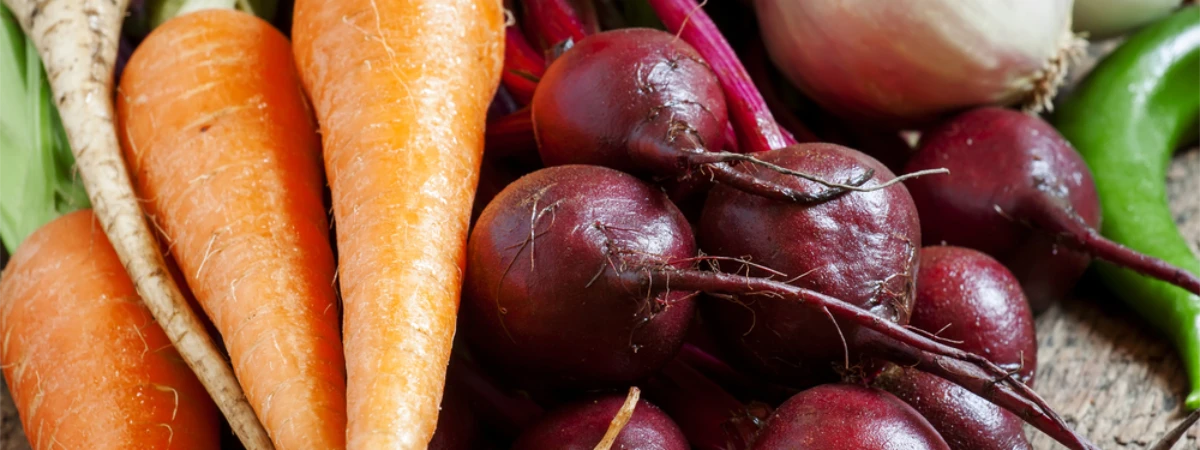
Next time you’re having dinner think about which food comes from plants. Which part of a plant does it come from? Are you eating leaves, seeds or fruits? Maybe it is bulbs, stems and flowers? Lots of our tasty veges are actually roots, including beetroot, radish and carrots. The sweetest, most delicious vegetables of all are the ones that grow in your garden.
Growing root veges in containers
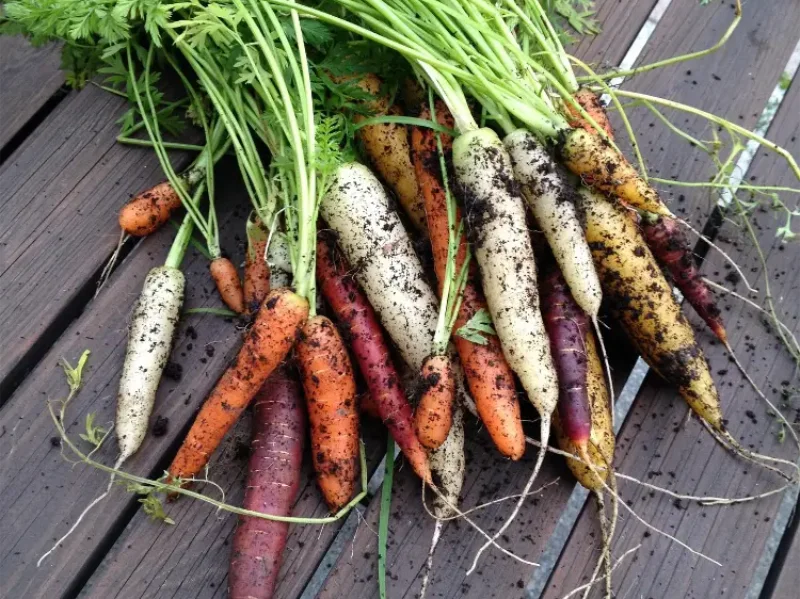
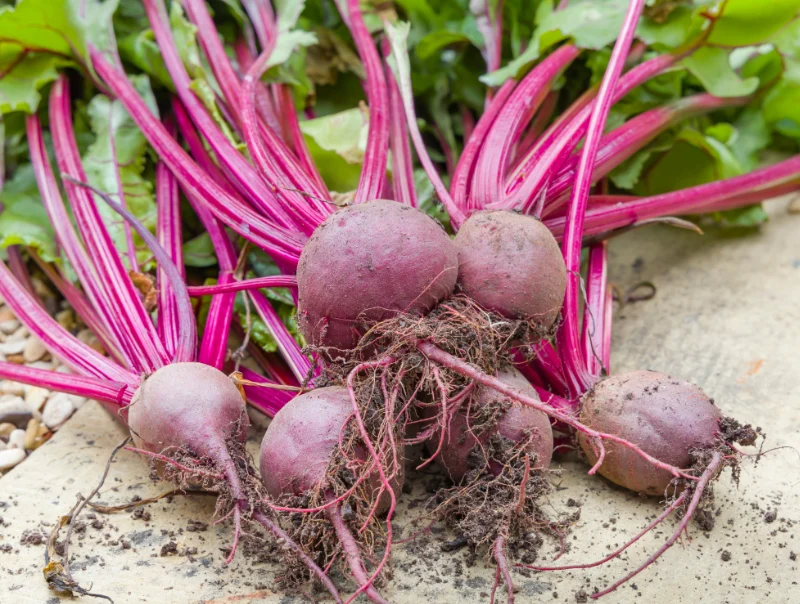
Root vegetables are usually grown in garden soil, but some are also great for growing in pots, especially radishes, baby beets or baby carrots They come in all sorts of shapes, sizes and colours. Globe beetroot and short carrots are best for growing in pots. There are even cute ball shape carrot varieties.
- Choose a large container at least 25cm deep with holes in the bottom for drainage. Place it somewhere warm and sunny.
- Fill your container with potting mix or vegetable planting mix. Water gently with a watering can and let it drain.
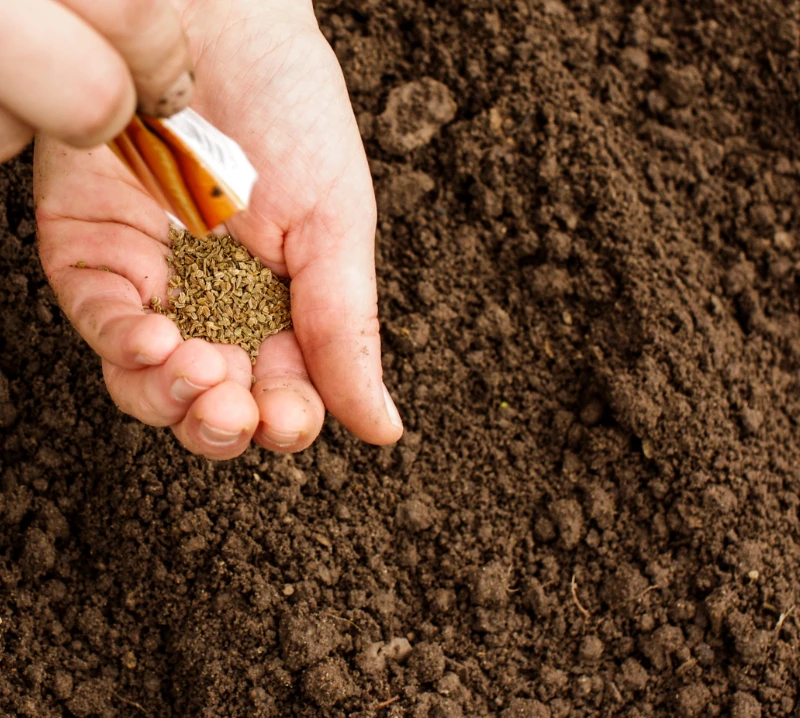
- Read the information on the seed packet and then place or sprinkle your seeds onto the damp potting mix. Cover with a thin layer of potting mix or seed raising mix.
- Check every day and water gently with a watering can to keep your soil damp (but not soaking wet). After a week (for radishes) or two to three weeks (for carrots) you should see the first tiny green leaves.
- Once your seedlings are 3-5cm tall, it's time to carefully remove a few to make room for others to grow. This is called thinning. Leave about 2-3cm between each seedling. Eat the thinning as micro-greens.
- Keep watering to keep the soil moist as your crop grows. Feed with liquid fertiliser every week once the seedlings reach about 5cm tall.
Carrot tricks
- For super straight rows with even spacing, try Yates Seed Tape. Just for fun, you can use carrot or radish seed tape to sow your name or initials.
- If you want to grow carrots in the ground instead, make sure the soil is loose and crumbly, without stones or lumpy bits.
- Grow radishes and carrots together. Radishes grow super fast and are ready to harvest before the carrots.
- Sow carrots every few weeks for a non-stop supply. They’ll grow all year round in frost-free gardens.
- Mix carrot seeds with sand or used coffee grounds before sowing. This will help you space the seeds.
Count the days!
Your seed packet tells you roughly how long it will take for your seeds to germinate and grow. Depending on the weather, it might take 100 days for carrots to reach full size but you can always start eating them before that. The great thing is that the soil outdoors keeps the carrots cool (and much fresher than carrots in the fridge) until you are ready to eat them.
Colour it!
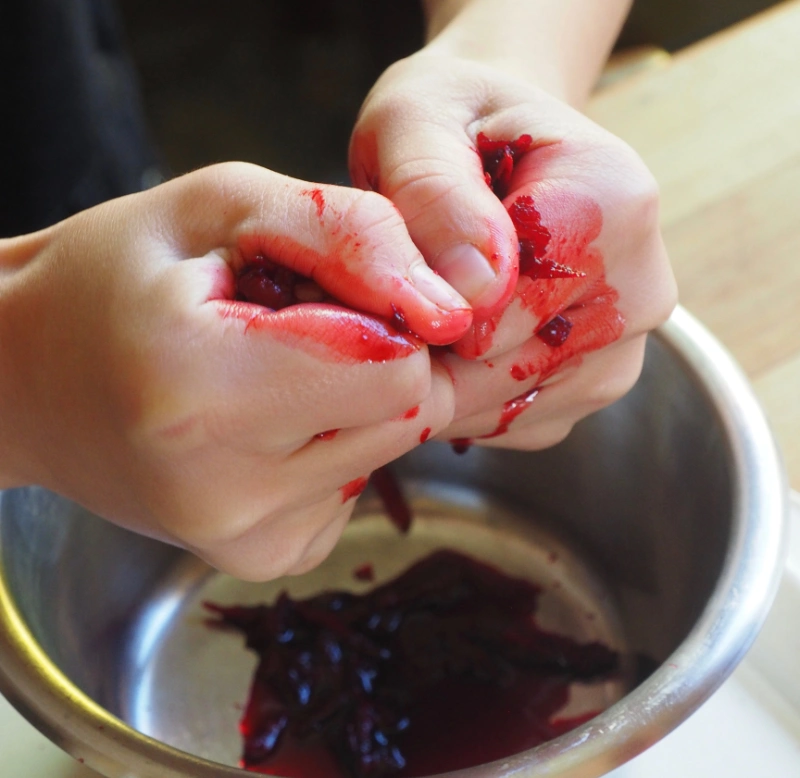
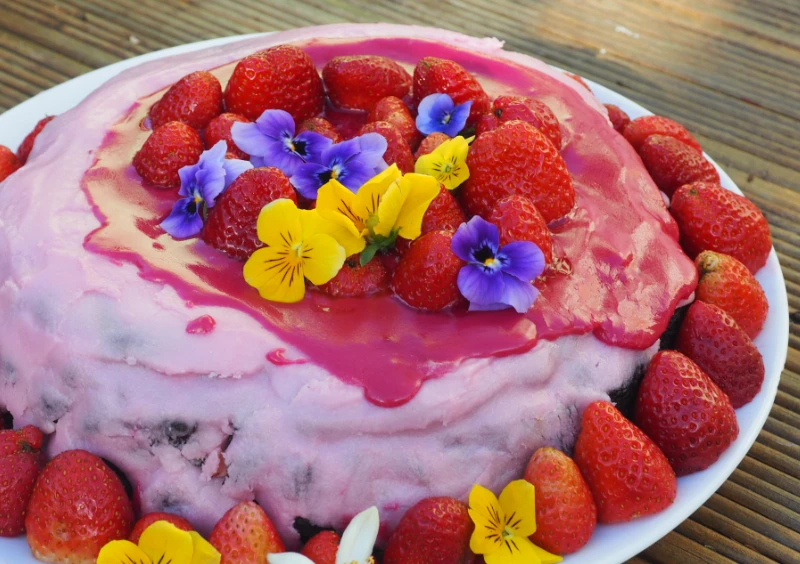
Beetroots and carrots make great natural food colouring. Try it next time you want to colour a drink or make icing for a cake!
Peel and grate a carrot or beetroot or whizz it in a food processor. You might use a mortar and pestle to squish out more juice. Strain it through a sieve and use the liquid to colour your food orange or pink!
Did you know?
The different colours in fruit and veges are called PIGMENTS. Each pigment contains different nutrients. To stay healthy we need to eat as many different coloured fruit and veges as we can.