

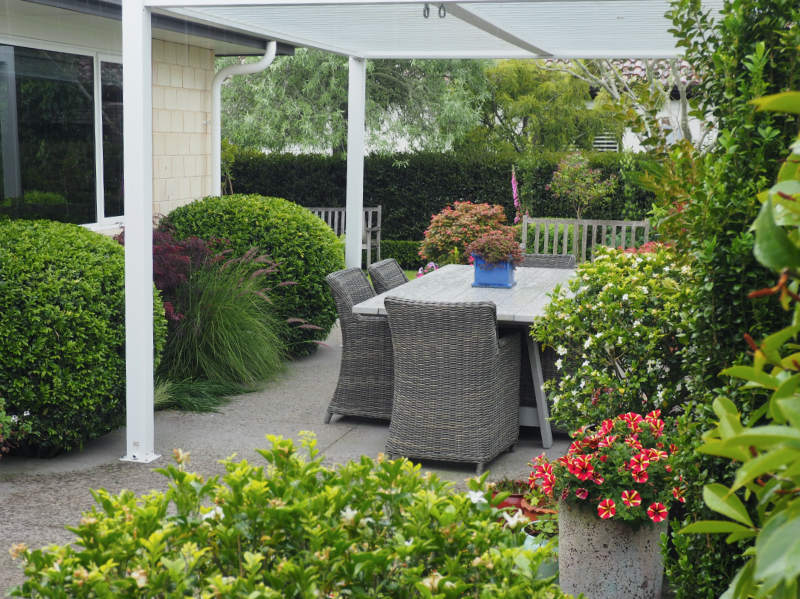
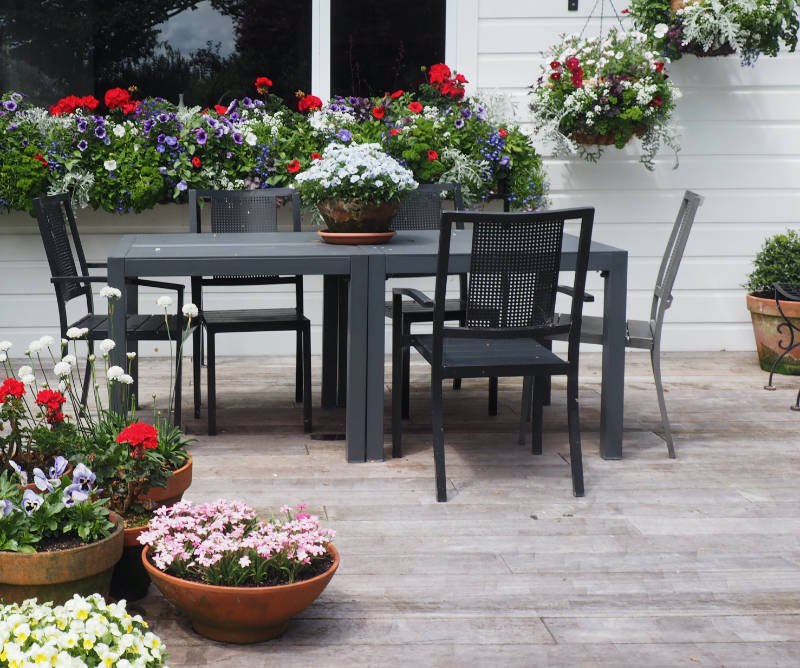
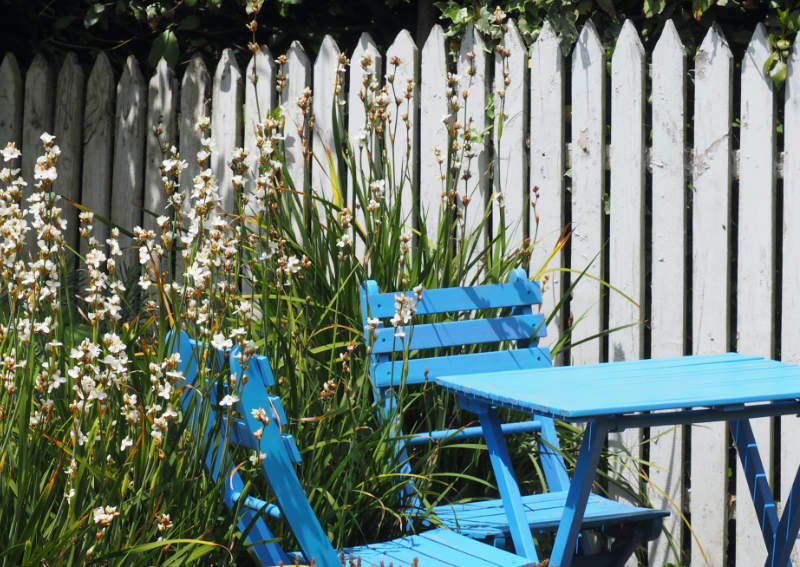
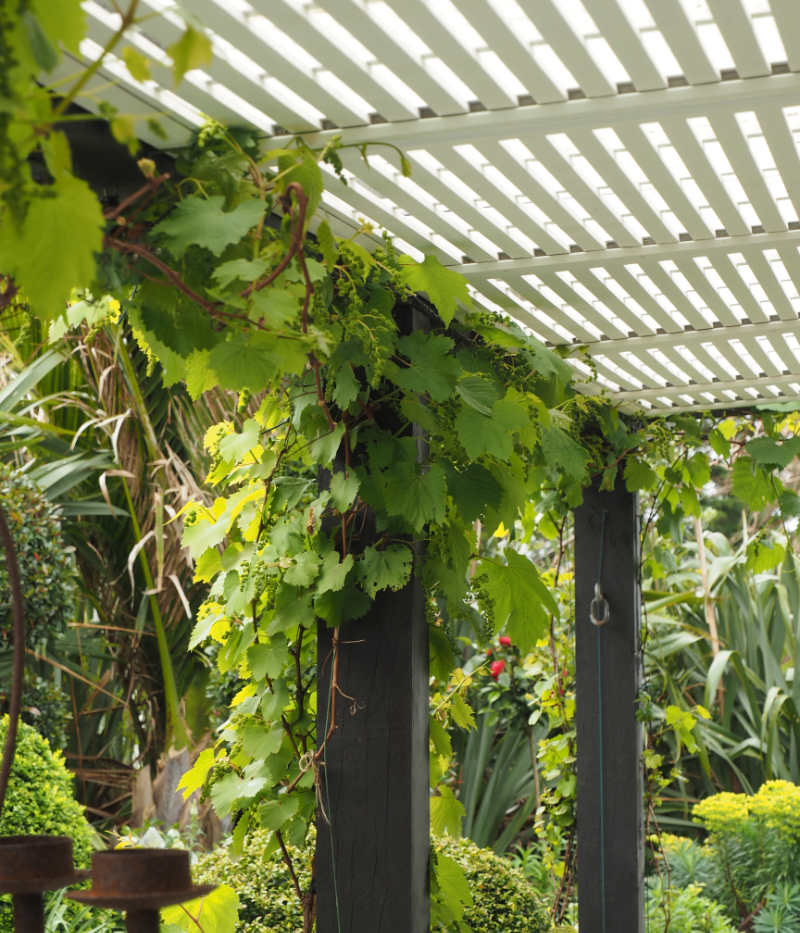
Whether it’s a quick coffee break to soak up some sun or a long, laughter-filled evening, stepping into a well-designed outdoor living space can make us feel like we’re on holiday without leaving the backyard.
Thanks to the vast range of landscaping materials and furnishings available today, outdoor areas can rival the style and comfort of kitchens and lounges. But, while it makes good sense to invest in the space where we spend so much time, creating a beautiful and functional outdoor room doesn’t have to cost the earth.
Start by thinking about how you want to use your space. What matters most?
If entertaining is your priority, high-quality paving, outdoor heating, and lighting might be at the top of your list. You might even consider an outdoor fireplace. If you love to grow food, your outdoor dining area may be part of your edible garden, surrounded by fragrant fruit trees, herbs and vegetable beds.
How much space will you need? Allowing for easy movement around furniture, a 3x3m space works well for a four-seater table but is more of a squeeze for six. For a long table that seats 10 people, allow a minimum of 4x3.5m, ideally more.
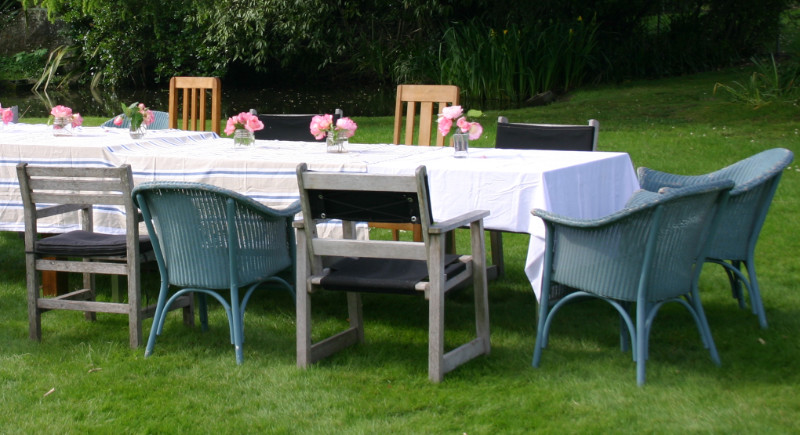
Ideal for occasional summer dining, lawn makes a soft, natural floor that blends beautifully with surrounding plants. Lawns are cooler, lower cost and more eco-friendly than hard surfaces. And, because they are permeable and soak up the rain, lawns minimise stormwater runoff.
Pebbles and gravel are budget‑friendly and quick to install. They impart an informal rustic look that works well with plants and allows rain water to percolate through. However, even with weed matting, weeds will eventually grow on top of it, so a loose gravel surface creates more work in the long term.
For high use areas, solid paving and decking offer the most durable, level surfaces for outdoor furniture. Professionally installed paving or decking adds value and functionality.
Drainage is crucial when laying concrete or pavers, and a professional landscaper should ensure the base is properly prepared and meets council regulations. However, there are savings to be made for skilled DIYers, and there is a wide range of materials to choose from.
The most expensive option, natural stone offers hardwearing, timeless beauty. More budget-friendly than stone, concrete pavers provide a perfectly level surface and come in a huge range of colours, sizes, shapes and non-slip surfaces. Another plus, a patio of pavers laid on a sand base is easier to repair than a solid concert slab. Filling the gaps with fine polymeric sand reduces weed growth.When exposed to moisture, this fine specialty sand hardens around each joint, creating a protective layer. Paving sealer adds another layer of protection.
Poured concrete offers a sleek, seamless look that suits modern spaces and is generally more affordable upfront. However, it can crack overtime and may require costly repairs. Concrete pavers, while more expensive initially, provide greater design flexibility, and ease of maintenance as damaged pieces can be replaced. Tiles laid over concrete can create a clean modern look that creates a seamless transition to indoor areas. But beware of smooth surface tiles that are slippery when wet.
Timber decking is an excellent choice for sloped, uneven sections or where some extra elevation is wanted. Timber has a warm, natural feel that is kinder on bare feet than hard paving, but to last well it needs more maintenance than hard surfaces.
Pairing different ground surface materials with contrasting textures - such as timber with concrete or paving with pebbles - adds interest and helps to differentiate a pathway from a seating area. But be careful not to use too many different materials in one area. Any more than three can look cluttered.
Shelter and seclusion are key to a comfortable and inviting seating area. A fence or trellis, easily softened with a quick growing climber, provides instant results.
Inexpensive screens can be a useful stopgap while you wait for trees and shrubs to grow. If the boundary fence isn’t tall enough to give you the privacy you need, placing a screen closer to the sitting area may be useful to block a higher line of sight.
Hedges take time to establish and they need regular maintenance, but where there is enough space, a smartly trimmed wall of foliage is the ultimate garden wall.
A spreading tree is the ideal source of natural shade, but there are plenty of other ways to create sun protection. At the simpler end of the scale, a couple of umbrellas may do the trick. For more permanent solutions, retractable awnings and pergolas with automated louvres offer flexibility and style.
On the other hand, a simple plant covered pergola is a timeless option that feels more ‘outdoors’ and part of the garden. Deciduous climbers offer shade in summer and let the sun through in winter. Flowering or fruiting vines are especially beautiful overhead, even though they’ll temporarily drop petals or fruit.
Make sure your pergola is strong enough to support a mature climber and tall enough to still feel spacious when draped in plants. A pergola that’s too low can make the space feel closed in and cramped.
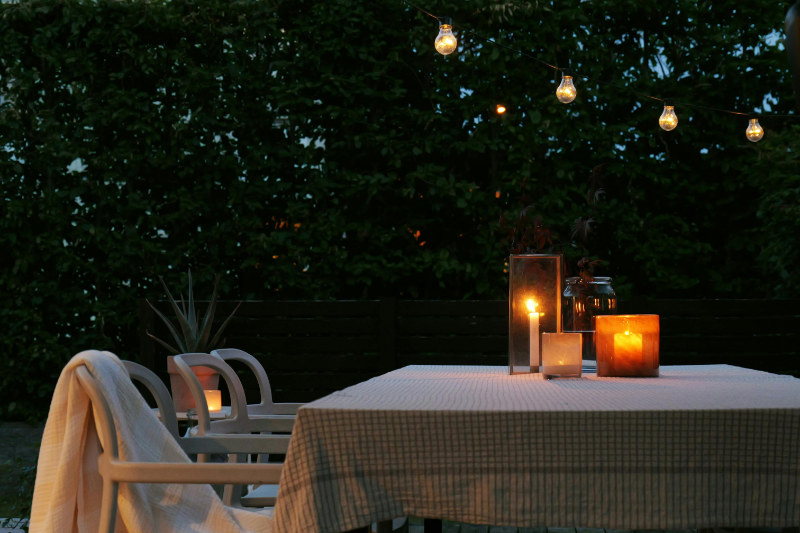
The garden can be a beautiful place to sit on warm summer evenings and modern solar lighting is making outdoor lighting increasingly accessible and affordable to inject mood and ambiance into the garden at night.
Dining areas benefit from overhead string lighting. Special plants can take on a whole new meaning at night when highlighted with spot lighting.
Solar‑powered lights avoid wiring entirely. but placement is key to make sure they get enough daylight exposure. Check for all‑weather durability, and look for models that deliver good LED output and integrated light sensors. Some use efficient batteries so your lights stay on longer, even after a cloudy day.
Creating a new outdoor space, doesn’t have to mean new tables and chairs. More than just a way to save money, up-cycling existing or second-hand furniture is a rewarding way to create a beautiful space that’s uniquely your own. A fresh coat of paint, for example, can transform a tired old dining set that might otherwise end up in landfill. Mismatched pieces can be unified with paint.
When buying new, there is much to consider, and a wide range of price options. At the more affordable end, lightweight aluminium or resin‑wicker chairs and tables can provide immediate style and function but may not be as durable outdoors. Powder‑coated aluminium or high‑density synthetic weaves wear better, and will resist rust and UV rays. High end investment pieces made from premium hardwoods or heavy‑gauge metal are designed to last decades with minimal fuss. Before you commit, test the comfort of dining chairs and measure carefully to make sure they will fit your space.
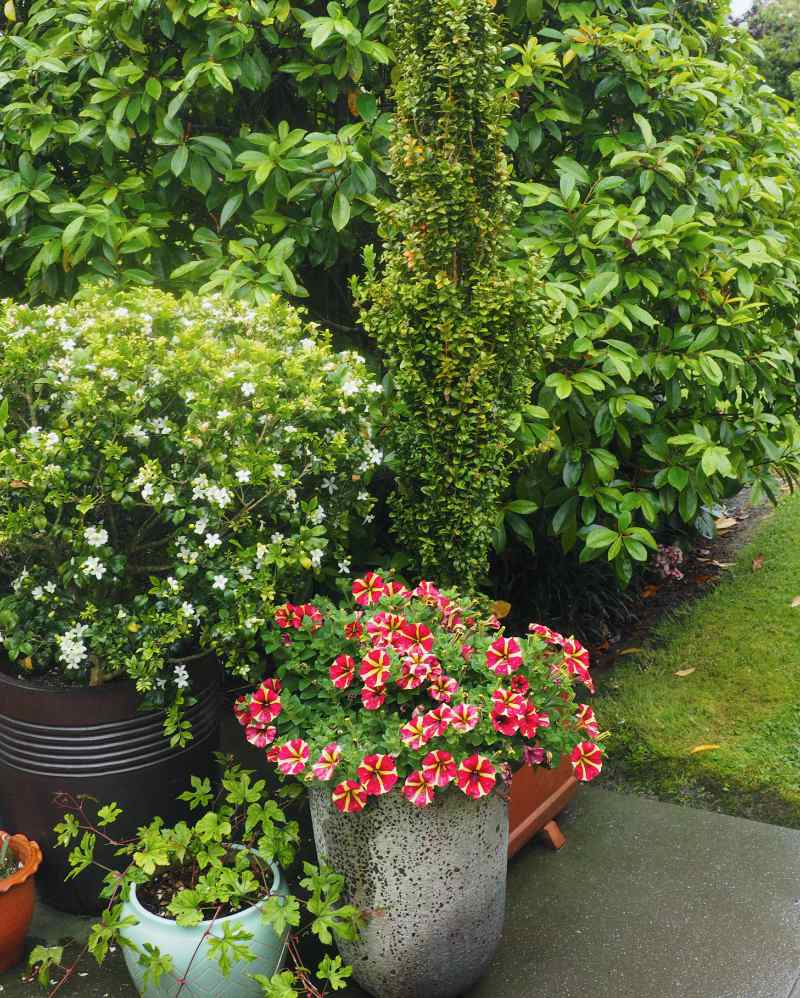
More than just the finishing touches, plants are essential in any outdoor living space - an integral part of the walls, the floors, the outdoor ceilings. In pots they provide pops of colour and seasonal highlights that you can change at your will and create a different look from one summer to the next.
The likes of petunias, pelargoniums, osteospermums and alstroemerias offer unlimited choice for the outdoor decorator to play with.
Acaena (purple bidibidi), Leptinella, Ophiopogon (mondo grass), Pratia, Scleranthus, Thyme
Rambling roses, Bougainvillea, Vitis vinifera (Ornamental grape), Wisteria
Beaumontia, Clematis paniculata, Mandevilla, Passionfruit, Tecomanthe, Trachelospermum (Star Jasmine)
Petunias, Calibrachoas, Lavenders, Pelargoniums, Marguerite daisies, Cape daisies (Osteospermum), Marigolds