
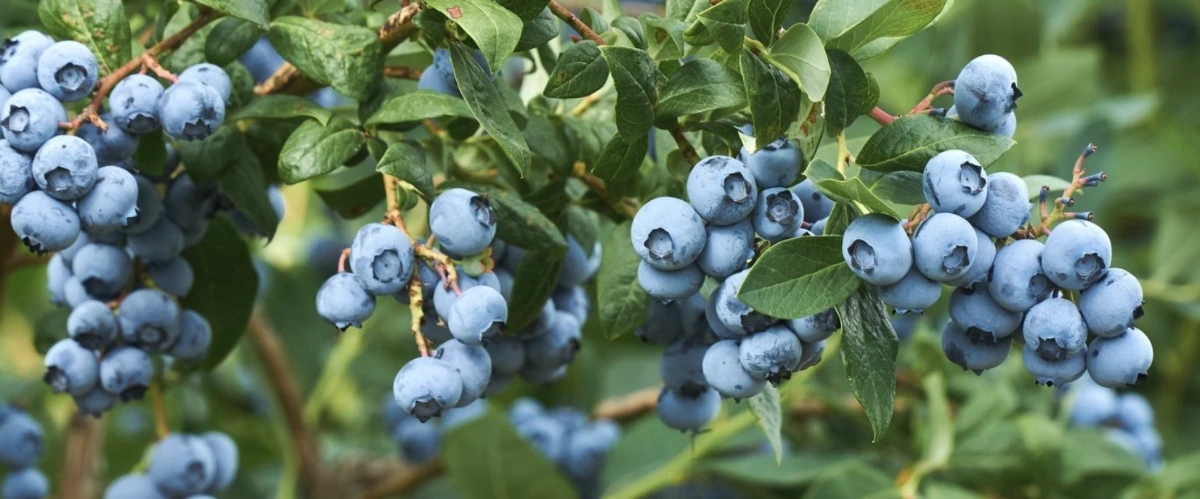
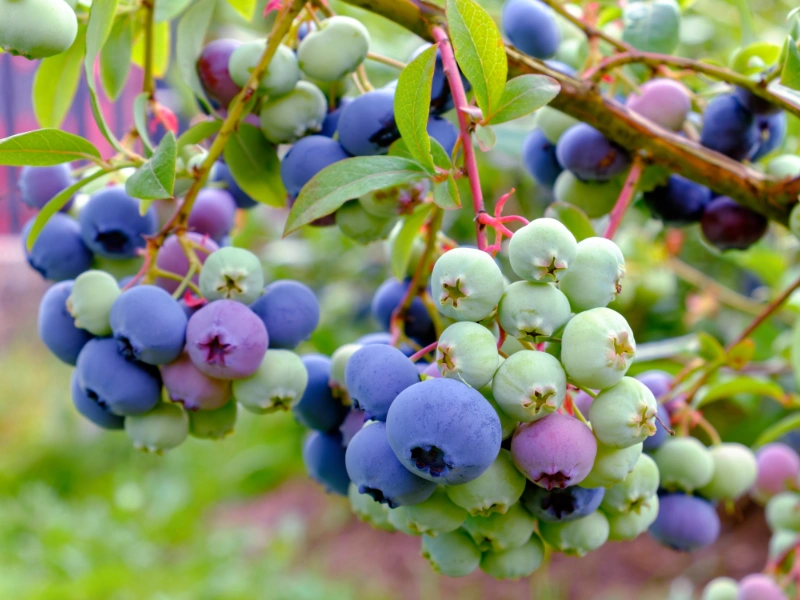
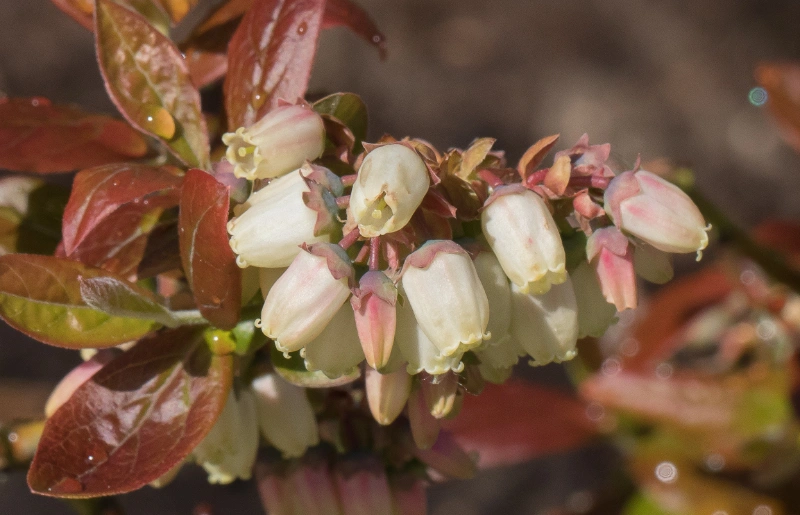
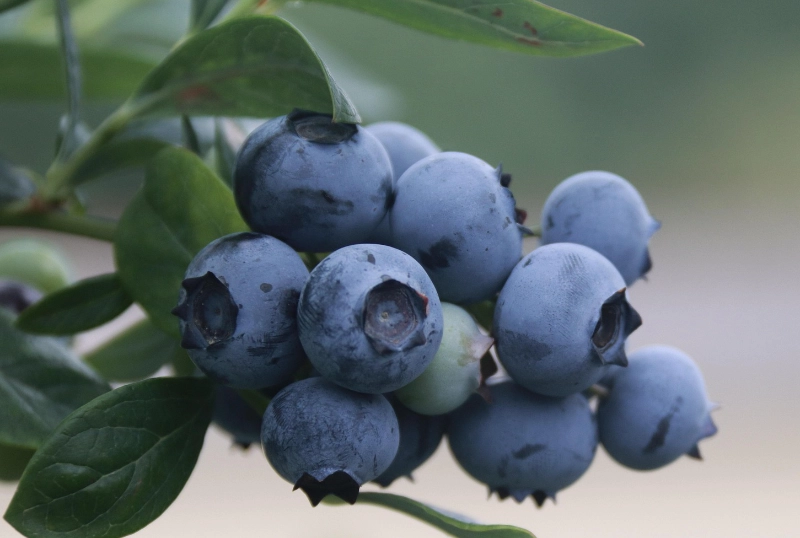
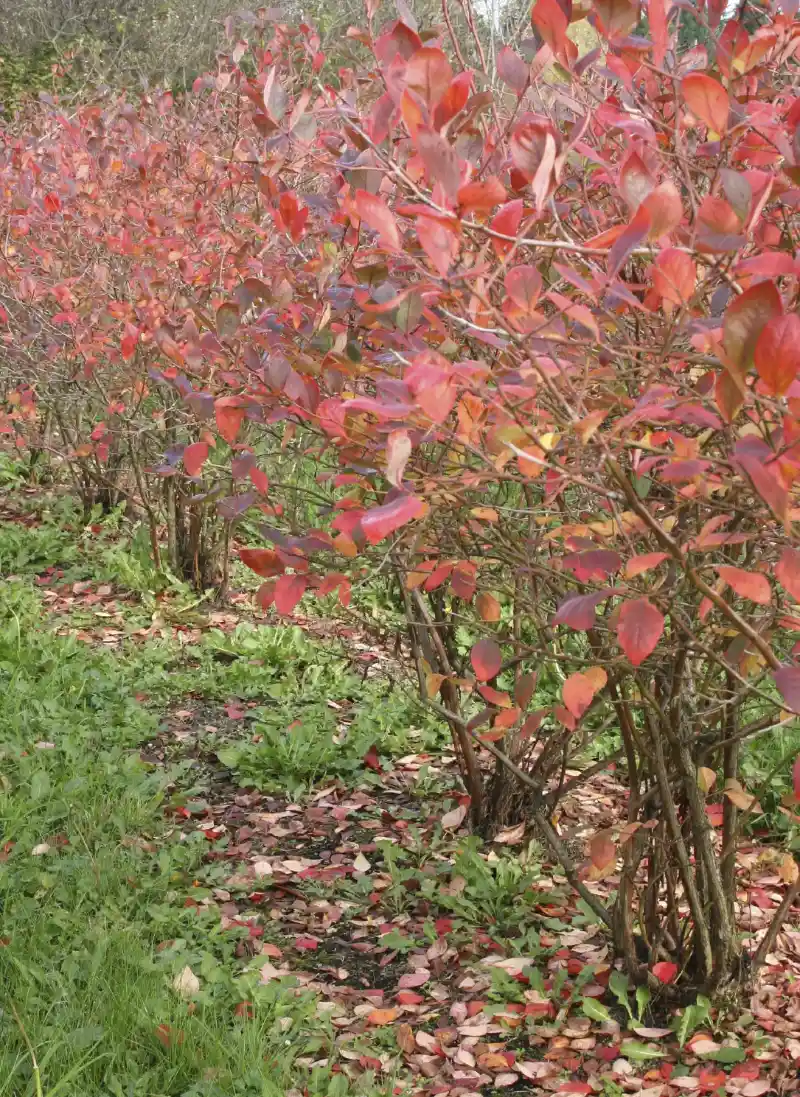

Blueberries can be grown almost anywhere in New Zealand. As shrub-like plants they are perfectly proportioned for smaller gardens or growing in pots. As well as their fruit, generous blueberry plants promise the bonus of attractive pinky-white bell flowers and a colourful autumn when the foliage of most varieties glows vibrant orange-red. As small to medium shrubs growing up to 1.5m tall, blueberry plants can be pruned to just 1m tall after harvest for a fantastic fruiting hedge.
There are many varieties of blueberry to choose from to suit your climate, and it is possible to choose 5-6 varieties and produce blueberries from late November through to early April.
Blueberries are all best planted with a different variety for maximum pollination. The two main types of blueberries grown in New Zealand are Highbush and Rabbiteye.
Highbush blueberries are self-fertile but will pollinate better with more than one variety. They are divided into
Rabbiteye are mostly self-sterile, so growing two or more varieties is important. They flower mid-spring and are the most tolerant of extremes of temperature and soil moisture. Varieties are
Planting a selection of these varieties should give excellent yields and an extended harvest period.
A winter chill helps to initiate flowers (and more fruit) but late spring frosts can burn flowers and prevent fruit set, so it is a good idea to choose a later maturing variety in colder regions.

Blueberries thrive in full sun but will tolerate afternoon shade. Plant in well-drained soil or raised garden beds. Phytophthora root disease can be a problem on wet soils. Because blueberries love an acidic soil with a low pH of around 4.5, adding peat to the soil at planting time can be very beneficial. Mulch with something organic, such as composted sawdust or pine needles.
Plants growing in well composted garden soil need only light feeding during the first three or four springs. Fertiliser designed for acid-loving plants (like camellias) is ideal. Regularly top up with mulch to ply the soil with organic matter. Blueberries in pots need frequent light feeding. Apply controlled-release fertiliser at least twice a year while plants are actively growing. Plants in pots also benefit from liquid feeding and mulching. Water regularly to keep the potting mix moist, especially in summer.
Blueberries fruit on the ends of branches that formed the previous summer and the most vigorous of these bear the biggest fruit. So, it’s important not to remove too much of this with pruning. Prune to remove any dead or diseased wood and weak or old twiggy branches. After 4-5 years, prune the oldest branches back to the crown to encourage vigorous new growth. Pruning to shape may be done at any time, but any heavy pruning is best done in winter while the plants are dormant.
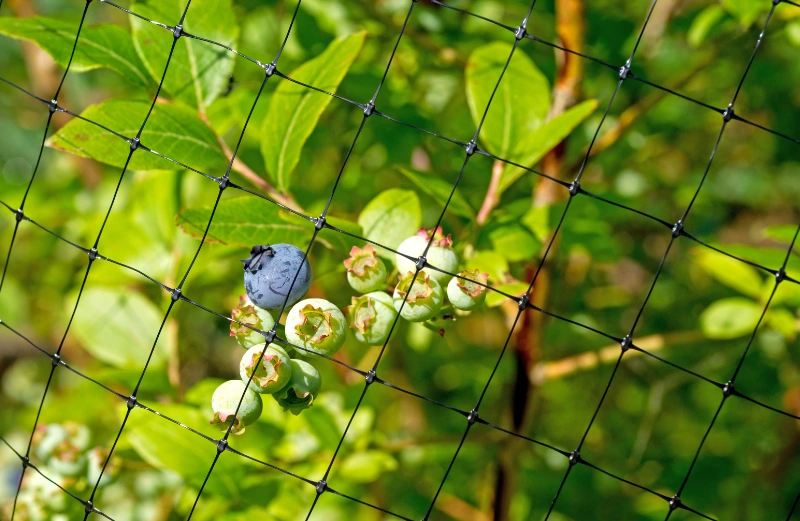
Use nets to protect blueberry crops from birds. Leave fruit on the plant for a week after they turn blue to ensure the best flavour.


Find out more at edible.co.nz.